Top 10 Advantages of Using Roll Label Paper for Your Business?
In the competitive landscape of business labeling, Roll Label Paper has emerged as a game-changer. Expert Jennifer Lee, a recognized figure in branding solutions, remarked, “Roll Label Paper streamlines production and enhances brand visibility.” This insight underlines the importance of choosing the right labeling materials in today's market.
Roll Label Paper offers numerous advantages. It enhances efficiency and reduces waste, crucial for businesses aiming for sustainability. With precise dimensions and high-quality prints, companies can ensure their products stand out on the shelf. Additionally, the versatility of Roll Label Paper makes it suitable for various applications, from packaging to promotional materials.
However, businesses may overlook potential drawbacks. Some labels might not adhere well to specific surfaces, leading to unforeseen costs. It’s essential to consider these aspects when choosing Roll Label Paper for your operations. Thoughtful evaluation can transform your branding strategy while mitigating risks.

Benefits of Roll Label Paper in Streamlining Business Operations
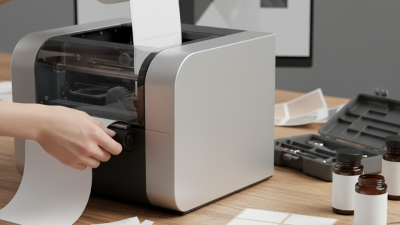
Using roll label paper can significantly improve efficiency in your business operations. This paper format allows for quicker printing and application. You can print multiple labels in one go, saving time during production. The labels are easy to peel and stick, reducing labor costs. Businesses can streamline their packaging processes with fewer interruptions.
Roll labels can help standardize operations. They come in various sizes and materials, allowing customization. This means your branding can be consistent across all products. High-quality graphics become accessible at a low cost. Employees can easily locate and apply labels, leading to reduced errors in packaging.
However, not every operation benefits from roll label paper equally. Some products may require custom shapes that rolls cannot provide. Adapting to roll labels may involve additional training. It's crucial to evaluate your specific needs. Reflect on whether the transition will enhance overall efficiency or create more confusion in operations.
Top 10 Advantages of Using Roll Label Paper for Your Business
| Advantage |
Description |
Impact on Operations |
| Cost-Effective |
Roll labels minimize waste and reduce printing costs. |
Lower operational costs lead to increased profit margins. |
| Easy Application |
Designed for quick application, saving time for employees. |
Improves workflow efficiency and productivity. |
| Customizable |
Easily tailored to specific branding and product requirements. |
Enhances brand recognition and customer engagement. |
| Space Efficient |
Rolls take up less space compared to sheets. |
Maximizes storage efficiency in production areas. |
| High-Quality Printing |
Provides crisp, vibrant labels that stand out. |
Improves aesthetic appeal and product visibility. |
| Versatile Material |
Compatible with various printers and adhesive types. |
Flexibility in label production processes. |
| Durability |
Water and tear-resistant options available. |
Reduces label replacement frequency, saving time and money. |
| Fast Production |
Streamlines the labeling process, requiring fewer manual steps. |
Speeds up time to market for products. |
| Reduced Downtime |
Less frequent label changeovers in production lines. |
Increases overall production efficiency. |
| Eco-Friendly Options |
Available in recyclable and sustainable materials. |
Enhances corporate responsibility and appeal to eco-conscious consumers. |
Cost-Effectiveness: How Roll Labels Save Money for Businesses
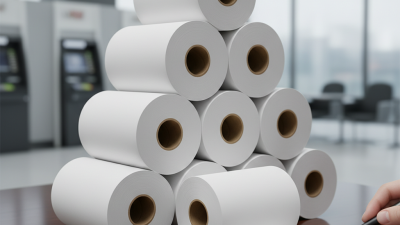
Roll label paper has become an essential tool for businesses looking to streamline their operations. One of the most compelling benefits is its cost-effectiveness. Using roll labels can significantly reduce printing and labeling expenses. Instead of purchasing pre-printed labels, businesses can print their designs as needed. This reduces waste and saves money in the long run.
Printing on demand allows companies to adjust labels based on inventory changes or seasonal promotions. It’s a flexible option for dynamic businesses. Additionally, roll labels typically come in larger quantities than sheet labels. This bulk purchasing reduces costs per label. However, it’s crucial to manage inventory levels efficiently to avoid overstocking.
Tip: Evaluate your labeling needs regularly. Analyze your inventory to determine when to order more rolls. This helps maintain a steady supply while avoiding excess stock.
Another benefit lies in the speed of application. Roll labels are easier to apply, resulting in faster production times. Employees spend less time labeling, which improves overall efficiency. While this method is effective, businesses must ensure they use the right equipment. Mismatched printers or applicators can lead to wasted materials.
Tip: Invest in a quality label applicator. A good machine can improve accuracy and speed, making production smoother. Always consider training staff on best practices for applying roll labels.
Improved Efficiency: The Impact of Roll Labels on Production Speed
Roll labels offer a significant boost in production speed for businesses. These labels come on rolls, allowing for rapid application. Traditional labels, often cut individually, slow down the workflow. The transition to roll labels simplifies the labeling process. It helps in maintaining a steady pace in manufacturing.
In many cases, businesses report a surprising increase in efficiency after switching. Employees adjusted quickly to applying roll labels. Machines designed to handle roll labels operate faster, reducing downtime. This improvement has immediate financial benefits. More products can be labeled in a shorter time. Yet, some businesses struggle with adapting their existing machinery. It can require time and investment.
Training staff is another challenge. Some employees may resist change. However, when embraced, the benefits are clear. The time saved can translate into higher output. Ultimately, the decision to switch to roll labels can mean significant advancement for production efficiency. The impact is measurable, but businesses must be prepared to tackle initial adjustments.
Versatility in Design: Customization Options with Roll Label Paper
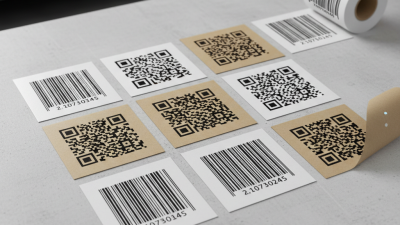
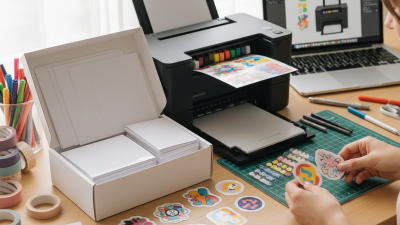
Roll label paper offers incredible versatility for businesses seeking unique branding solutions. The design options are extensive. You can choose from various shapes, sizes, and finishes. This flexibility helps businesses create labels that truly reflect their brand identity. Whether you need bold colors or subtle textures, roll label paper accommodates all.
Customization doesn't stop at size and shape. You can experiment with fonts and graphics. This personalization can enhance product visibility and attract more customers. You might even consider varying designs for seasonal promotions. However, keeping everything aligned with brand values can be tricky. It's essential to balance creativity with consistency.
It’s easy to go overboard with design elements. Simplicity sometimes speaks louder than complexity. Reflecting on your label design can lead to better choices. Consider feedback from customers and employees alike. Engaging with them can offer insights into what works and what doesn’t. Making these adjustments can turn good labels into great ones.
Environmental Considerations: Eco-Friendly Aspects of Roll Labels
Roll label paper is increasingly popular due to its environmental benefits. Many businesses are adopting eco-friendly practices to attract more customers. According to a report by the Environmental Protection Agency, about 30% of consumers prefer products with sustainable packaging.
Using roll labels often means choosing materials like biodegradable and recyclable paper. This aligns with the push for reducing plastic waste. Studies show that companies implementing sustainable packaging can see a 20% increase in consumer trust. Eco-friendly labels can also enhance brand image.
However, not all roll labels on the market are created equal. Some may contain harmful chemicals despite being marketed as eco-friendly. Businesses should carefully examine suppliers to ensure compliance with environmental standards. Transparency in sourcing materials is crucial. The shift towards sustainability requires a commitment to continuous improvement and vigilance in the supply chain.