What is Atm Receipt Paper and How to Source It Globally?
In the world of banking and finance, "Atm Receipt Paper" plays a crucial role. As an essential component of ATM transactions, it ensures customers receive tangible proof of their financial activities. Industry expert, Dr. Emily Chen, a prominent figure in paper manufacturing, highlights its significance: "The quality of ATM receipt paper can greatly affect customer satisfaction."
Sourcing ATM receipt paper globally demands careful consideration. Different regions offer varied materials, affecting durability and print quality. The sourcing process must balance cost and quality. While some manufacturers provide excellent options, others may compromise on essential features. This inconsistency makes it essential for businesses to thoroughly vet suppliers.
Moreover, as technology evolves, the demand for eco-friendly options rises. Businesses face challenges in choosing between sustainability and traditional materials. The industry's rapid changes necessitate ongoing education for companies looking to stay relevant. Understanding the nuances of ATM receipt paper is more vital than ever. Addressing these complexities will ultimately shape the future of ATM transactions and customer interactions.
What is ATM Receipt Paper and Its Importance in Banking Transactions?
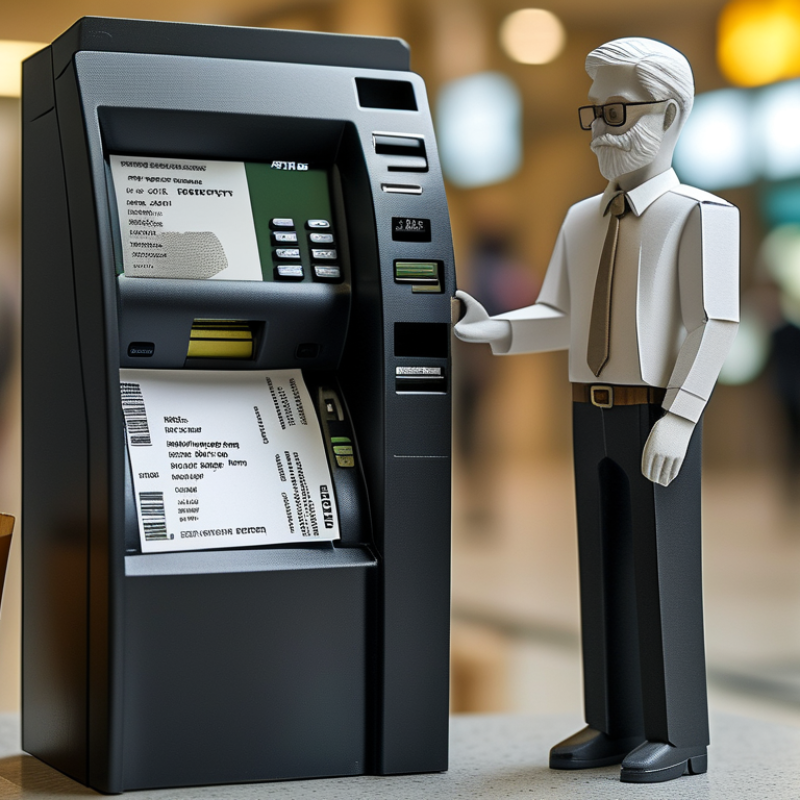
ATM receipt paper is crucial for banking transactions. It serves as proof of withdrawal, deposit, and account balance inquiries. Customers rely on these receipts for accurate records. They help ensure transparency in financial dealings. The quality of the paper affects the durability of the printed information. Poor-quality receipt paper can fade quickly, making it hard to read later on.
When sourcing ATM receipt paper, focus on specifications. The ideal paper should be thermal, ensuring that it can withstand heat without smudging. Many banks prefer 80mm width paper because it fits most ATM machines. While price is a factor, consider the longevity and clarity of the printed text. Cost-cutting with low-quality paper could lead to frustration for users.
**Tips:** Always check the supplier's reputation. Look for feedback from other banks or financial institutions. Ensuring the reliability of your source can prevent supply issues down the line. Monitor printed receipts regularly, as wear and tear can affect user experience. Always remain open to reassessing your paper choice based on changing needs.
Types of ATM Receipt Paper: Materials and Specifications Explained
ATM receipt paper is crucial in the banking and retail sectors. Understanding its materials and specifications can enhance operational efficiency. This paper typically comes in thermal and non-thermal varieties. Thermal paper is favored for its quick printing and no ink requirement. In contrast, non-thermal paper often provides better durability and clarity.
When sourcing ATM receipt paper globally, consider environmental factors. Most thermal papers contain BPA, a compound that raises health concerns. Recent studies show that 70% of consumers prefer eco-friendly options. Sourcing from manufacturers who provide BPA-free thermal paper can improve customer trust and safety.
Tips for sourcing ATM receipt paper: Always verify the paper's print quality and longevity. Consider thickness and size specifications to ensure compatibility with your ATM machines. Additionally, prioritize suppliers with reliable shipping methods. A seamless supply chain is vital to maintain uninterrupted service. Keep a log of your suppliers' performance to facilitate better decisions in future sourcing.
How to Evaluate Quality and Durability of ATM Receipt Paper
When evaluating the quality and durability of ATM receipt paper, several key factors come into play. The composition of the paper is critical. Most high-quality receipt papers are thermal in nature, often composed of a layer of thermal coating on a base paper. A 2022 report by the International Paper Association noted that the use of thermal paper in the global market increased by 7% annually.
Another vital aspect is the sensitivity of the paper. Higher sensitivity means clearer prints, but this can also lead to quicker fading. Research indicates that some thermal papers can lose legibility within weeks of use. It's essential to check the manufacturer's specifications regarding the paper's lifespan and resistance to environmental factors like heat and moisture.
Durability tests play a significant role too. Some papers may look good initially but may not withstand everyday handling. Rigorous testing can reveal weaknesses that might not be obvious at first glance. Poor-quality paper can lead to customer dissatisfaction and operational challenges. Suppliers should provide certificates or test reports to demonstrate quality and durability.
What is Atm Receipt Paper and How to Source It Globally? - How to Evaluate Quality and Durability of ATM Receipt Paper
| Dimension |
Specification |
Quality Indicator |
Durability Rating |
| Thickness |
65-80 GSM |
Smooth Surface |
High Wear Resistance |
| Width |
57mm, 80mm |
Consistent Size |
Tear Resistant |
| Length |
60m, 80m |
Uniform Length |
Durable Under Stress |
| Print Quality |
Thermal Transfer |
Clear and Sharp |
Fade Resistant |
| Chemical Resistance |
Oil and Water Resistant |
Non-Fading |
Weatherproof |
Global Sourcing Strategies for ATM Receipt Paper: Key Considerations
When sourcing ATM receipt paper globally, several key considerations come into play. Understanding the unique characteristics of receipt paper is vital. This paper often has specific thermal qualities, thickness, and dimensions. Ensure that the suppliers you approach can meet these requirements. Quality control must be a priority. Conduct rigorous testing and evaluation of samples from potential suppliers.
Another important factor is geographical location. Different regions may have varied access to raw materials. For instance, sourcing from areas with abundant paper mills can lower logistics costs. However, time zones and communication barriers may pose challenges. Be prepared to navigate these obstacles efficiently.
Also, consider the environmental impact of your sourcing strategy. Paper production can be resource-intensive. Seek suppliers that prioritize sustainability. Genuine certifications can provide transparency. Nonetheless, not all claims are verified. It’s critical to research and confirm the legitimacy of these practices. Make informed decisions, balancing cost, quality, and sustainability for a responsible sourcing strategy.
Top Manufacturers and Suppliers of ATM Receipt Paper Worldwide
ATM receipt paper is essential for transactions at automated teller machines. Many manufacturers globally supply this paper, which is designed for durability and clarity. The global demand for ATM receipt paper has seen a steady increase, with the market projected to grow by 5% annually through 2026, according to industry reports. Sourcing this paper can be challenging due to varying quality standards.
Top manufacturers often invest heavily in sustainable practices. They focus on providing thermal paper that meets international certification requirements. In Asia, several manufacturers lead in production capacity. Their technology allows for high-volume output while maintaining quality and compliance. Certifications like FSC or PEFC are essential for choosing suppliers with sustainable practices.
Tips: When sourcing, consider looking for suppliers with strong industry reputations. Checking their certifications can ensure quality and sustainability. Request samples before making large orders to assess features like smudge resistance and print clarity. Taking these measures can lead to better long-term partnerships and fewer issues down the line.