Best Inkjet Print Stickers for Your DIY Projects?
When it comes to DIY projects, crafting with Inkjet Print Stickers can be both fun and rewarding. Leading expert in the field, Sarah Loomis, once said, “The right stickers can elevate any project.” This highlights the impact these stickers can have on your creative endeavors.
Inkjet Print Stickers allow for customization and versatility. You can print stunning designs directly, enhancing items like planners, scrapbooks, and home decor. However, not all printers or papers yield the same results. It's essential to choose high-quality materials for vivid colors and durability.
While the process may seem straightforward, it's easy to underestimate the importance of details. Factors like ink types and paper finishes can dramatically affect the outcome. Unexpected challenges will arise, necessitating adjustments in techniques or materials. Embracing these imperfections can lead to more refined skills and unique creations in the world of Inkjet Print Stickers.
Choosing the Right Inkjet Printer for Sticker Printing
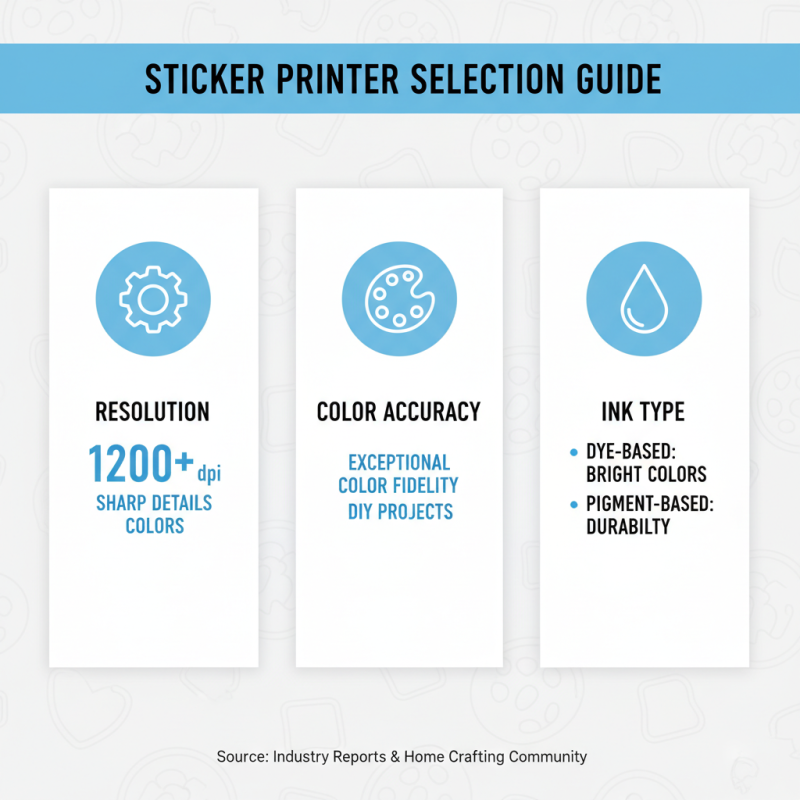
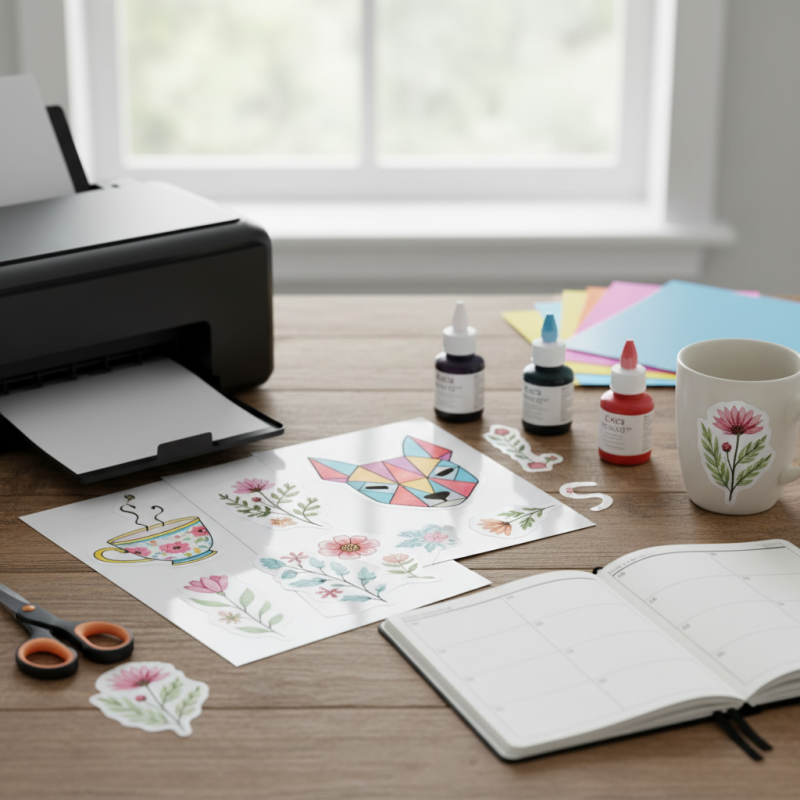
When selecting an inkjet printer for sticker printing, focus on resolution and color accuracy. A printer with a minimum resolution of 1200 dpi ensures vivid colors and sharp details. According to industry reports, a machine with exceptional color fidelity is essential for DIY projects. Many home crafters often overlook the importance of selecting the right ink type. Dye-based inks can provide brighter colors, while pigment-based inks offer durability.
Tip: Always test your printer with various sticker paper types. Some printers perform better with glossy finishes over matte, affecting overall quality.
User reviews indicate that the ease of use and maintenance also play crucial roles. Many users express frustration with complicated setups. Regular maintenance, such as cleaning print heads, is necessary for optimal performance.
Tip: Attempting to fix minor printing issues on your own can save time. However, if problems persist, it may be time to consult a professional. Remember, not every printer will suit your specific needs. Researching options can feel overwhelming, but it's vital for a successful project.
Types of Inkjet Printable Sticker Paper
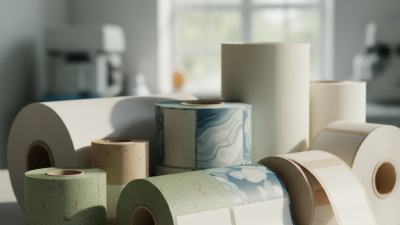
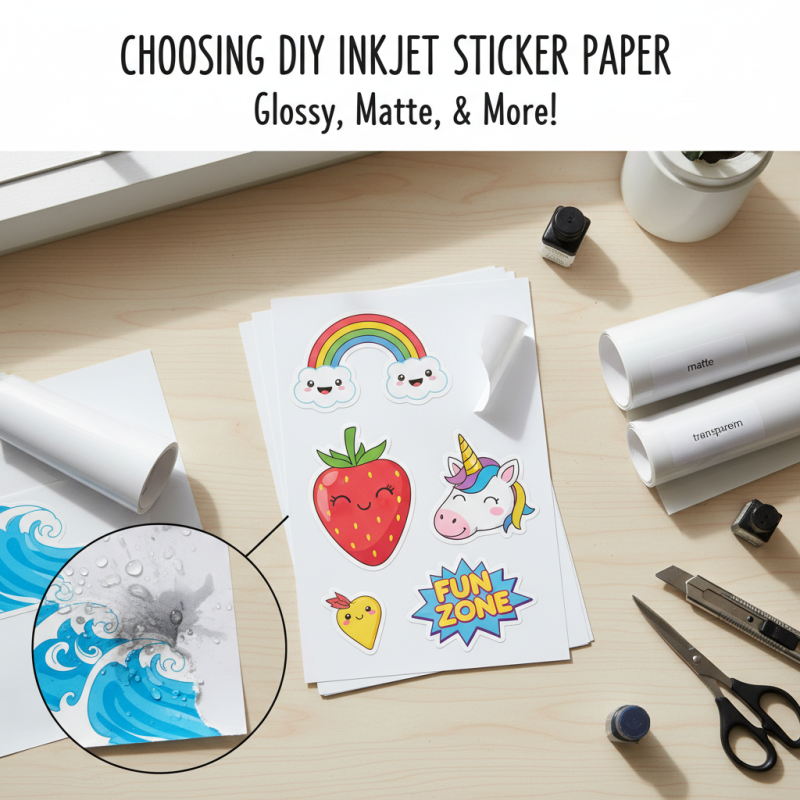
When it comes to DIY projects, choosing the right inkjet printable sticker paper is crucial. There are various types, each suited for different needs and styles. Glossy paper gives your designs a vibrant and shiny finish. It's perfect for colorful labels and fun stickers. However, be aware that glossy paper might not hold up in wet conditions. It can smudge or tear easily when exposed to moisture.
Matte sticker paper offers a different aesthetic. It absorbs ink well, creating a soft, sophisticated look. This type is less prone to fingerprints, making it ideal for professional-looking products. However, colors may appear slightly muted compared to glossy options. Experimentation is key, as results can vary based on your printer settings and ink quality.
Clear sticker paper is another interesting choice. It allows for transparent backgrounds, making your designs blend seamlessly with surfaces. Yet, the lack of a white base can change colors, leading to unexpected results. Make sure to test print before committing to a larger project. You might find that what works on screen doesn’t translate perfectly to paper.
Best Inkjet Inks for Durable Sticker Prints
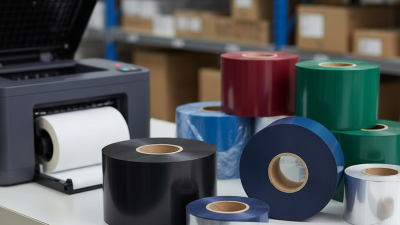
When it comes to creating durable sticker prints, choosing the right ink is crucial. Not all inkjet inks have the same qualities. Some may fade quickly, while others can withstand time. Look for inks that are specifically designed for vibrant colors. They should also offer resistance to water and UV light. This will help your stickers maintain their appearance longer.
Consider the paper you use, too. High-quality adhesive materials paired with the right ink can elevate your DIY projects. Sometimes, you might find that your colors don't turn out as expected. This can be due to the wrong settings on the printer. Experimenting with print quality and paper types can also lead to surprising results.
Be mindful of the environment as well. Some inks may have harmful chemicals, which can be a concern. Opt for more eco-friendly options when available. Remember, sticker designs take time. Don't rush the printing process if the results aren't satisfactory. Take notes on what works best for your projects. This may help in future endeavors.
Best Inkjet Inks for Durable Sticker Prints
Tips for Designing Stickers for Inkjet Printing
Designing stickers for inkjet printing can be a fun yet challenging task. Start with your concept. Think about the purpose of your stickers. Will they be for decoration or promotion? Sketching ideas on paper helps. You might find inspiration in everyday life. Explore colors and shapes. Match them to your theme.
Choosing the right dimensions is crucial. Too small, and your design might not stand out. Too large, and it might overwhelm. Test print on regular paper before using sticker sheets. It’s a good way to spot design flaws. Always make sure margins are clear.
Think about material too. Not all sticker paper is created equal. Some may smudge or not hold ink well. Experiment with different varieties for the best results. Realize that not every design will print perfectly. Sometimes the color appears duller than on the screen. Adjust as needed. It’s part of the learning curve. Your hands-on experience will improve your future projects.
Finishing Techniques for Enhanced Inkjet Stickers
Finishing techniques can take your DIY inkjet stickers to a new level. After printing your designs, consider using a laminate sheet. This adds a protective layer that makes the stickers more durable. It also enhances the colors, making them pop. If you don't have laminate, clear spray sealant works in a pinch. Just ensure you spray it in a well-ventilated area.
Another option is to cut your stickers with precision. Using a cutting machine can yield cleaner edges and more intricate designs. It’s often tempting to rush this step, but precision is key. If your cuts are jagged, the final product may look unprofessional. Try to take your time with this aspect.
Finally, think about how to adhere your stickers. Double-sided tape can create a sleek finish. However, this might not hold up well over time. Experimenting with different adhesives may help you find the best option. Reflect on your mistakes and adjust your technique for better results next time. Crafting is a learning process, and each project no matter how imperfect, helps improve your skills.