How to Choose the Best Label Tape Roll for Your Business Needs?
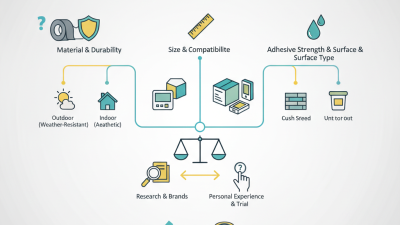
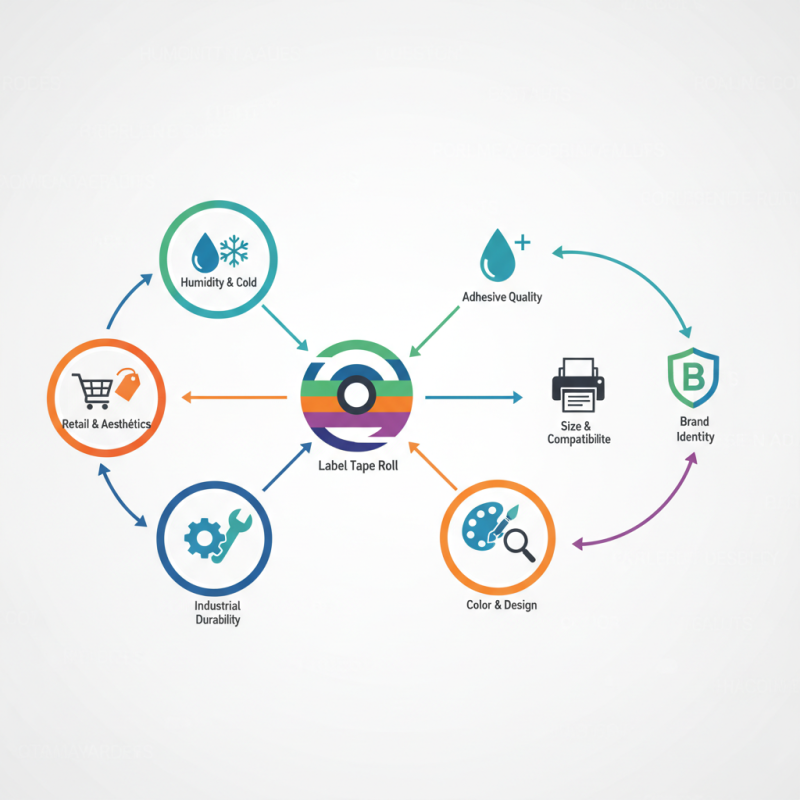
Choosing the right Label Tape Roll is crucial for any business. The right tape ensures that labels are durable and clearly visible. When selecting a tape, consider your specific needs. Different industries require various types of labels. For example, food packaging labels must withstand humidity and cold. On the other hand, retail may focus on aesthetics and pricing visibility.
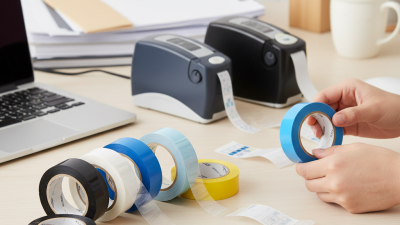
Experts advise evaluating the adhesive quality. A strong adhesive will keep your labels intact in different environments. Additionally, the size and compatibility with your label printers is essential. Not all tapes fit all printers, which could lead to wasted materials and time.
Businesses often overlook details like color and design. A vibrant label can attract customers’ eyes. However, it’s easy to be overwhelmed by choices. Sometimes, a simple, clear label is the most effective. Reflect on your brand's image when making a decision. Each Label Tape Roll serves a purpose beyond functionality; it represents your brand's identity.
Understanding Label Tape Types: A Comprehensive Overview
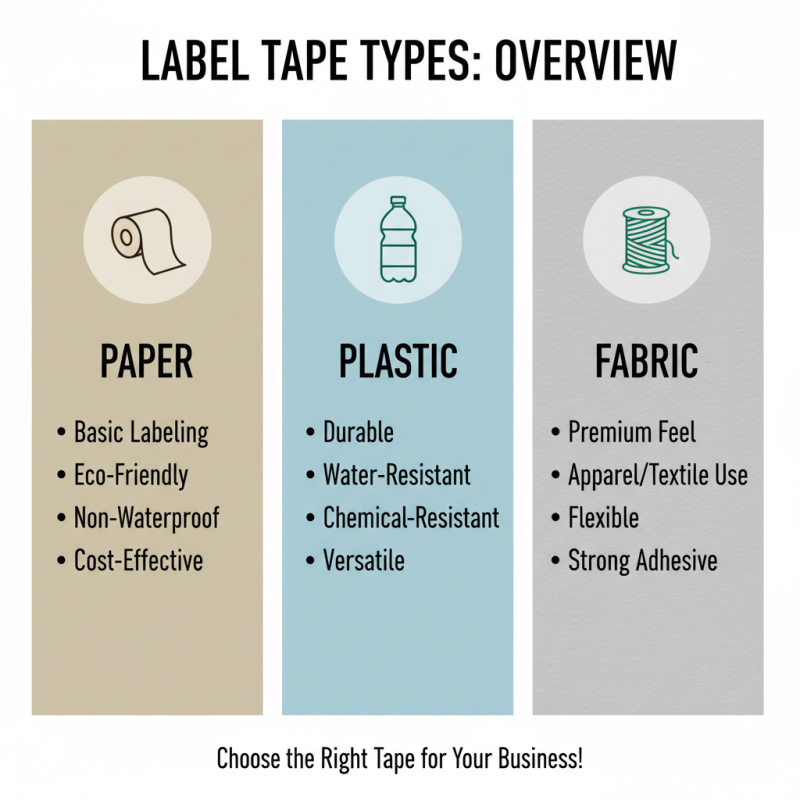
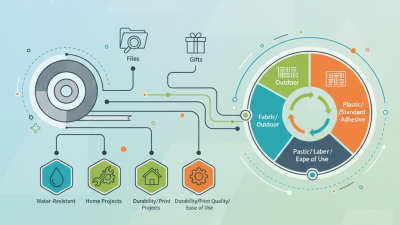
When selecting label tape for your business, understanding different types is crucial. Label tapes vary widely in materials and uses. You can find paper, plastic, and even fabric options. Each material has distinct advantages. Paper tape is excellent for basics, while plastic is more durable and water-resistant. Fabric tape often provides a premium feel.
Tips: Assess your environment. If you work in humid areas, opt for water-resistant tapes. For a smooth surface, plastic works best. Think about the longevity of your labels as well.
Consider adhesive strength. Some tapes are removable, while others offer permanent adhesion. Think about your inventory needs. Temporary labels are great for seasonal items. Permanent labels suit products that demand longevity. You might find yourself torn between a durable label and an easy-to-remove option.
Tips: Test samples before bulk orders. A small test can save time and money later. Reflect on how frequently you’ll change labels. This can guide your material choice effectively.
Evaluating Durability and Adhesive Strength for Optimal Performance
When selecting label tape rolls, evaluating durability and adhesive strength is crucial for performance. Studies indicate that about 30% of businesses experience issues related to label adhesion. Factors such as environmental conditions and surface texture significantly influence adhesive effectiveness. For instance, labels exposed to moisture often fail to stick securely.
Adhesive strength can vary widely among different tape types. Reports show that tapes with a rubber-based adhesive generally provide better performance on rough surfaces. In contrast, acrylic adhesives excel in outdoor conditions due to better temperature resistance. Understanding these nuances helps businesses make informed choices.
Durability is another key factor. Labels degrading under sunlight or extreme heat can lead to costly reworks. A report by the Label Manufacturers Association revealed that 25% of labels lose their print clarity within six months under harsh conditions. It’s essential to test labels in real-world conditions to see how they hold up. This approach allows businesses to avoid potential pitfalls and choose tape rolls that truly meet their needs.
How to Choose the Best Label Tape Roll for Your Business Needs? - Evaluating Durability and Adhesive Strength for Optimal Performance
| Label Type |
Durability (Years) |
Adhesive Strength (PSTC)** |
Suitable Surfaces |
Water Resistance |
| Paper Label |
1-2 |
Medium |
Cardboard, Plastic |
No |
| Vinyl Label |
3-5 |
High |
Metal, Glass |
Yes |
| Polyester Label |
5+ |
Very High |
Metal, Wood, Glass |
Yes |
| Bumper Sticker |
4-7 |
Medium |
Vehicles, Plastic |
Yes |
| Magnetic Label |
Indefinite |
N/A |
Metal Surfaces |
N/A |
Assessing Print Compatibility with Labeling Machines and Software
When selecting label tape rolls for your business, print compatibility with labeling machines and software is crucial. According to a recent industry report, nearly 40% of businesses experience delays due to mismatched labeling systems. Ensuring that labels work seamlessly with your printer can reduce downtime significantly.
Evaluate the specifications of both the label tape and your labeling machine. Look for details like print resolution, type of ink used, and media compatibility. A mismatch can lead to smudged prints or incorrect label sizes. In a recent survey, 25% of companies reported wasted materials due to poor compatibility.
Software compatibility is equally important. Some labeling systems integrate with inventory management software. This integration can enhance workflow and reduce manual entry errors. However, users should verify compatibility to avoid potential issues. About 30% of businesses noted challenges in updating label designs due to software limitations. Balancing these aspects is vital for efficiency and cost management.
Calculating Cost-Efficiency: Price Per Roll vs. Usage Duration
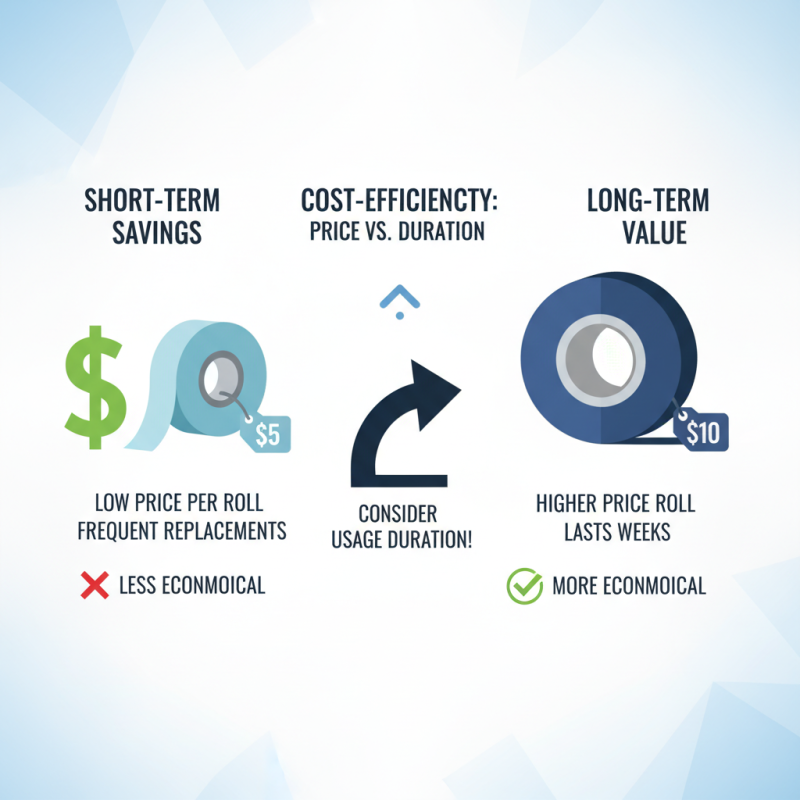
When calculating the cost-efficiency of label tape rolls, businesses often overlook usage duration. A low price per roll may seem appealing. However, the longevity of the tape can significantly affect overall costs. A label tape roll lasting several weeks can prove more economical than cheaper options that require frequent replacements.
According to industry reports, companies waste approximately 15% of their labeling supplies due to improper selection. If your tape lasts longer, you minimize waste and save money. For example, if a roll costs $10 and lasts three weeks, your weekly cost is about $3.33. In contrast, a $5 roll that lasts just one week ends up costing you $5 weekly. Analyze the lifespan of tapes in relation to their costs.
Choosing the right label tape also involves considering the specific needs of your operation. Not all tapes serve the same function. Some may be more durable, while others are waterproof or designed for extreme temperatures. With various options available, reflect on your business requirements. Making informed decisions based on usage and cost can lead to significant long-term savings.
Analyzing Industry Standards for Labeling Compliance and Quality
Choosing the right label tape roll is critical for any business. Compliance with industry standards is essential. High-quality labels help ensure proper identification. Understanding regulations improves labeling efficiency and keeps your brand credible. Different industries have various requirements. For food, pharmaceuticals, and chemicals, compliance is non-negotiable.
Quality matters significantly in label production. It's easy to overlook the material and adhesive used. Poor choices can result in smudged text or peeling labels. This impacts the brand's reputation. Evaluating the durability of materials is crucial for long-term storage. Labels should withstand temperature changes and humidity.
Business owners often underestimate the impact of labels. Labels create first impressions and convey brand values. Companies should consider the reliability of their suppliers. Trustworthy suppliers ensure that labels meet compliance requirements. The consequences of non-compliance can be costly. Reflecting on these points is vital for making informed decisions.
Label Tape Roll Types and Usage in Industries