20 Essential Tips for Effectively Utilizing Pop Label in Your Marketing Strategy?
In today's fast-paced marketing landscape, utilizing tools like Pop Label can make a significant impact. According to industry expert Jane Doe, "Pop Labels add an emotional layer that connects brands to consumers." This powerful statement encapsulates the essence of why marketers should embrace this strategy.
Pop Label is more than just a trendy concept. It represents a way to capture attention and foster engagement. Brands that leverage Pop Labels often see increased visibility in crowded markets. However, many struggle to implement them effectively. They may miss the chance to resonate with their audience, leading to wasted efforts.
A successful Pop Label strategy combines creativity and authenticity. Some brands create stunning labels, but forget to convey a meaningful message. Others may rely too heavily on trends without understanding their audience. Reflecting on these pitfalls can lead to a more effective approach. Embracing the imperfections in our strategies can enhance the authenticity of our brand voice. The journey to mastering Pop Labels involves continuous learning and adaptation.

The Importance of Pop Labels in Modern Marketing Strategies
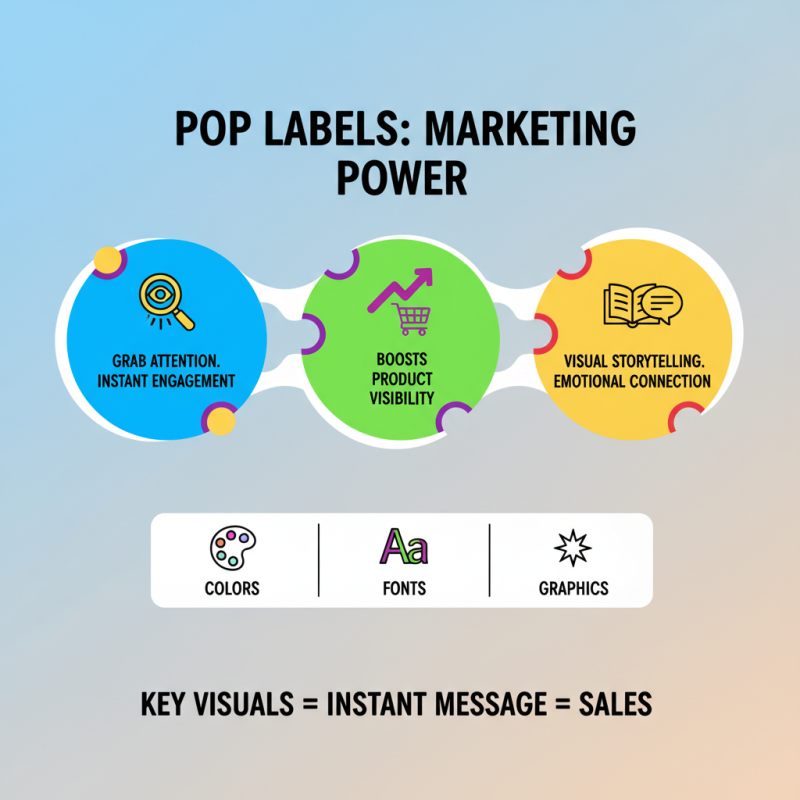
Pop labels have emerged as a vital tool in modern marketing strategies. They grab attention and create immediate engagement. Companies can enhance product visibility through appealing designs. A well-designed pop label can tell a story about the product within seconds. The colors, fonts, and graphics chosen convey messages that resonate with target audiences.
However, not all pop labels hit the mark. Sometimes, they can be too cluttered or vague. When labels lack clarity, consumers often overlook the message. It’s crucial to test various designs and gather feedback. This testing can reveal what truly connects with consumers. Striking a balance between creativity and clarity is key. Great pop labels communicate value and boost customer interest, but only if done right.
Using pop labels effectively also involves keeping line production in mind. Labels should adapt to different products and shelf spaces. This flexibility can sometimes lead to confusion. Marketers must ensure consistency across different types of products. Creating a unified brand image helps maintain consumer trust. Engaging pop labels should enrich marketing efforts, not complicate them.
Identifying Your Target Audience for Effective Pop Label Usage
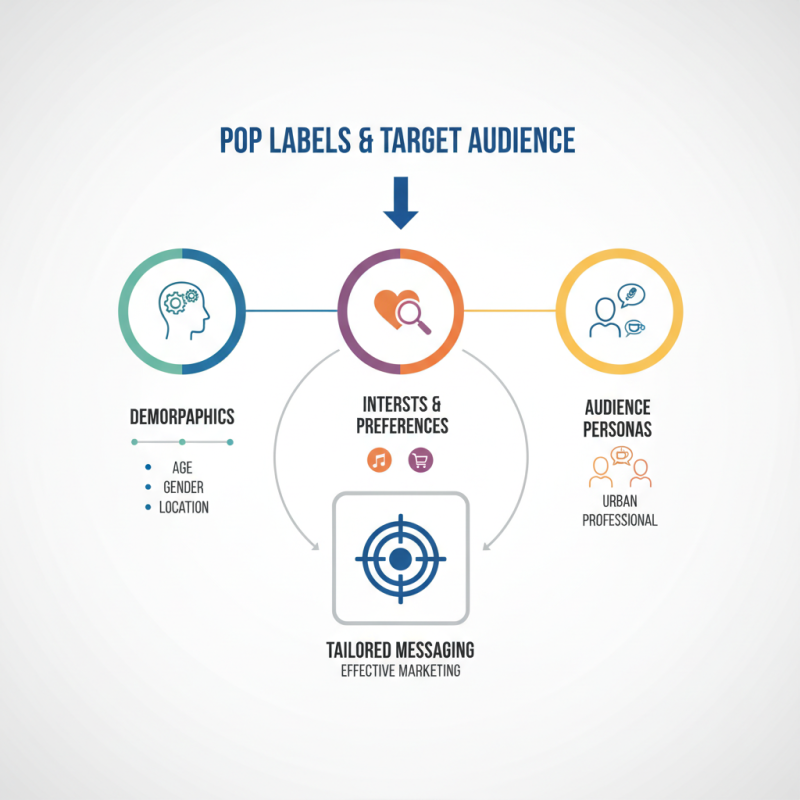
Identifying your target audience is crucial when leveraging pop labels in marketing. Begin by analyzing demographic data. Look at age, gender, and location. This information guides your pop label choices. Understand their interests and preferences. Create audience personas to visualize them. A well-defined persona can help tailor your messaging.
Consider conducting surveys or focus groups. This method can provide valuable insights. Ask people what resonates with them. Their feedback can refine your pop label strategy. Additionally, monitor social media engagement. Look for trends in comments and shares. This will show what captivates your audience.
Sometimes, efforts may fall flat. You might misinterpret your audience’s needs. It’s essential to reflect on these mistakes. If a pop label fails to attract attention, revisit your research. Do your personas still hold true? Analyzing these aspects can lead to better strategies later. Understanding your target audience requires constant adaptation and learning.
Integrating Pop Labels into Multi-Channel Marketing Campaigns
Integrating pop labels into multi-channel marketing campaigns can be transformative. According to a study by the Content Marketing Institute, 70% of marketers believe that consistent messaging across channels is crucial for engagement. Pop labels help create that consistency. They capture attention quickly and convey your message effectively.
However, it's essential to use pop labels thoughtfully. A poorly designed label can overshadow the product. The average consumer spends just 8 seconds on a product label before making a decision. This means your label must be eye-catching and informative. Striking the right balance is challenging. Data shows that 65% of consumers want clear information paired with appealing visuals.
Incorporating pop labels across social media platforms is another way to improve brand awareness. A survey from HubSpot found that 54% of users prefer brands that showcase their products visually. Yet, many struggle to integrate labels effectively. This might stem from a lack of understanding of the audience's needs. Without careful planning, you risk losing connection with potential customers. Ultimately, attention to detail and ongoing refinement in your strategy can yield better results.
Designing Eye-Catching Pop Labels to Enhance Brand Identity
Creating impactful pop labels is crucial for brand identity. Research indicates that 70% of consumer decisions are made in-store. This highlights the need for visually appealing labels that grab attention. Colors, fonts, and materials play an essential role. Vibrant colors can increase brand recognition by 80%. A unique design can make products stand out.
However, striking the right balance can be challenging. Overly complex designs may confuse consumers. Simplistic labels can get lost on crowded shelves. Continuously testing different designs with focus groups can yield valuable insights. It’s essential to be open to feedback. For instance, while a flashy label may attract eyes, it may not communicate the brand’s message effectively.
Implementing consistent branding elements across labels boosts recognition. According to a study, 62% of shoppers prefer brands that share their values. Incorporating brand stories into labels can foster connection. Yet, misalignment between design and brand message can dilute impact. Regular audits of label performance can pinpoint areas for improvement. Remember, perfection is an ongoing journey in the world of pop labeling.
20 Essential Tips for Effectively Utilizing Pop Label in Your Marketing Strategy
| Tip Number |
Tip Description |
Impact on Brand Identity |
Implementation Difficulty |
| 1 |
Use vibrant colors that reflect your brand |
High |
Easy |
| 2 |
Incorporate your logo prominently |
Very High |
Medium |
| 3 |
Utilize clear and catchy fonts |
Medium |
Easy |
| 4 |
Highlight special promotions or discounts |
High |
Medium |
| 5 |
Ensure adequate space between elements |
Medium |
Easy |
| 6 |
Use professional imagery that represents products |
High |
Medium |
| 7 |
Incorporate social proof (e.g., reviews) |
Very High |
Hard |
| 8 |
Choose labels that are durable and weather-resistant |
High |
Medium |
| 9 |
Create a unique shape for your label |
Medium |
Hard |
| 10 |
Utilize QR codes for interactivity |
Very High |
Medium |
| 11 |
Make your labels eco-friendly |
High |
Medium |
| 12 |
Test label designs with focus groups |
Very High |
Hard |
| 13 |
Align label messaging with marketing campaigns |
High |
Medium |
| 14 |
Utilize die-cut label designs |
Medium |
Hard |
| 15 |
Maintain consistent label theme across products |
Very High |
Medium |
| 16 |
Emphasize the benefits of the product |
High |
Easy |
| 17 |
Integrate customer questions and answers |
Medium |
Hard |
| 18 |
Feature a call to action directly on the label |
Very High |
Easy |
| 19 |
Incorporate storytelling elements |
High |
Hard |
| 20 |
Continuously revise based on customer feedback |
Very High |
Medium |
Measuring the Success of Pop Labels in Your Marketing Efforts
Measuring the success of pop labels in your marketing efforts is crucial. These labels can capture attention quickly. Yet, determining their impact isn’t always straightforward. Collecting data should be your first step. Track engagement metrics on social media. Are people sharing your content? Also, analyze website traffic. Increased visits can signal effective labeling.
Surveys can provide valuable insights. Ask customers about their awareness of pop labels. Do they remember the message? Their responses can guide future strategies. Consider conversion rates too. Are customers buying after engaging with pop labels? This measure is not just about numbers. Reflect on what resonates with your audience.
Feedback is essential in refining your approach. Not every label will hit the mark. Learn from failures. A label that didn’t work could offer lessons for future campaigns. It’s okay to experiment and miss the target. Continuous iteration will enhance your overall marketing strategy. Keep testing and adjusting based on real feedback.
Impact of Pop Labels on Marketing Strategy Performance