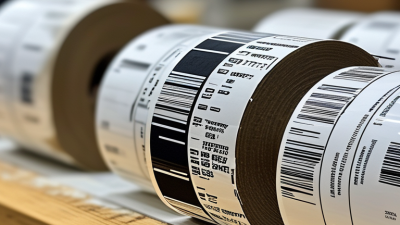
How to Choose the Right Eftpos Rolls for Your Business?
Choosing the right Eftpos Rolls can appear simple until a terminal jams during a busy lunch service. Width, length, core size, paper quality, and printer compatibility all matter. A roll that looks suitable may still produce faint receipts, leave excess waste, or fail to feed smoothly. Small details create expensive interruptions.
Michael O’Connor, a point-of-sale supplies consultant with more than 20 years of retail experience, says, “The best Eftpos Rolls are the ones staff can install quickly and customers can read clearly.” His advice highlights a practical truth. Product specifications are useful, but real workplace performance matters more. Test one roll before placing a large order. Check the paper path, print contrast, tear line, and receipt length.
This guide examines how to compare Eftpos Rolls for different business conditions. A café may need compact rolls and rapid replacement. A supermarket may prioritise longer rolls, reliable feeding, and lower cost per transaction. A mobile operator may need lightweight options that suit portable terminals. Storage also deserves attention. Heat, moisture, and direct sunlight can affect thermal paper quality.
There is no perfect choice. Sometimes the cheapest carton becomes the most expensive option after repeated jams. Sustainability claims also require careful checking, rather than automatic trust. Buyers should review supplier information, terminal requirements, and paper composition before deciding. The right selection balances dependable printing, staff convenience, customer readability, and sensible purchasing costs.
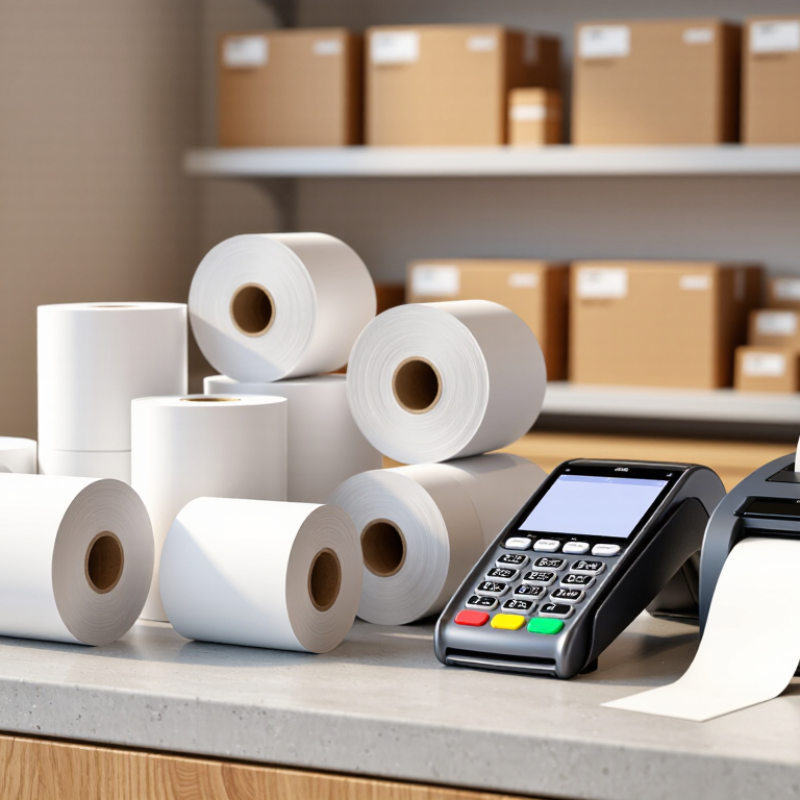
Understanding Eftpos Roll Types and Their Business Uses
How to Choose the Right Eftpos Rolls for Your Business?
Understanding Eftpos roll types helps prevent paper jams, faded receipts, and wasted stock. Thermal rolls are common because they print through heat, without ink or ribbons. They suit busy counters, cafés, taxis, and mobile payment terminals. Their smooth surface produces clear text quickly.
Bond rolls need ink or a ribbon and often suit older receipt printers. They can be useful where printed information must remain readable for longer periods. Two-ply carbonless rolls create a customer copy and a business record at once. Three-ply rolls provide an additional copy for accounting or delivery paperwork. They need compatible printer settings and careful loading.
Size matters more than many buyers expect. Check the roll width, core diameter, and maximum outer diameter before ordering. A roll that looks suitable may still jam inside a compact terminal. Measure an existing roll first. Store unused rolls in a cool, dry drawer, away from sunlight and cleaning chemicals. Heat can darken thermal paper before use. I once saw a business order large quantities to reduce costs, but the rolls did not fit its terminals. The saving disappeared quickly. Receipt paper may also require suitable chemical and recycling information for your region, so review supplier specifications rather than relying on assumptions.
How to Choose the Right EFTPOS Rolls for Your Business?
Estimated paper length by common thermal EFTPOS roll size
Smaller 57 mm rolls are commonly used in compact mobile and countertop payment terminals, while 80 mm rolls suit larger receipt printers and high-volume checkout environments. Actual roll length can vary with paper thickness, core size and winding.
Identifying the Correct Size and Paper Specifications
How to Choose the Right Eftpos Rolls for Your Business?
Identifying the Correct Size and Paper Specifications
Choosing eftpos rolls starts with accurate measurements, not guesswork. Check the roll width, outer diameter, and core diameter of your terminal. Common widths include 57 mm and 80 mm, but machines differ. Measure an existing roll with a ruler. A roll can fit and still be wrong.
The outer diameter affects how often staff replace the roll. A larger roll may reduce interruptions, but it must fit inside the printer cover. The core must also match the spindle or holder. Confirm the maximum roll diameter in the printer manual. Small differences can cause feeding problems. Keep the receipt paper smooth and tightly wound.
Paper quality matters at the checkout. Thermal paper should produce sharp, dark text without excessive heat. Look for consistent coating, clean edges, and a suitable paper weight. Poor coating may create pale receipts or leave residue inside the printer. Ask for product specifications and compliance information, including details about chemical content where required in your market.
Storage is often overlooked. Keep rolls away from sunlight, moisture, heat, and plastic packaging that may affect the print.
I once treated faded receipts as a printer fault, but the real issue was careless storage.
Test one carton before ordering in bulk. That extra step may expose a specification mistake early.
Matching Roll Quality to Your Eftpos Terminal and Transaction Volume
Choosing the right Eftpos roll starts with your terminal, not the cheapest carton.
Check the machine’s required width, diameter, core size, and paper feed direction. A roll that is slightly too wide can jam during a busy sale. A loose core may also cause slipping and uneven printing.
Quality matters more as transaction volume rises.
For a small service counter, standard thermal paper may handle occasional payments well. A supermarket, café, or event venue needs reliable rolls with smooth coating and consistent winding. Poor paper can create pale receipts, dust, or repeated paper changes. That slows staff and frustrates customers. I have seen teams focus only on price, then lose time fixing preventable feed problems. That choice looked efficient, but it was not.
Tips:
Measure an existing roll before ordering. Compare its width and diameter with the terminal guide. Choose clear, durable printing for high-volume counters. Store cartons away from heat and moisture. Keep one spare roll beside each active terminal. Test a sample during peak hours, because paper that works quietly in the morning may struggle after hundreds of transactions. Review your choice regularly. Your sales pattern may change, and the best roll today may not suit next season.