What is Paper Label and How Can It Improve Your Business?
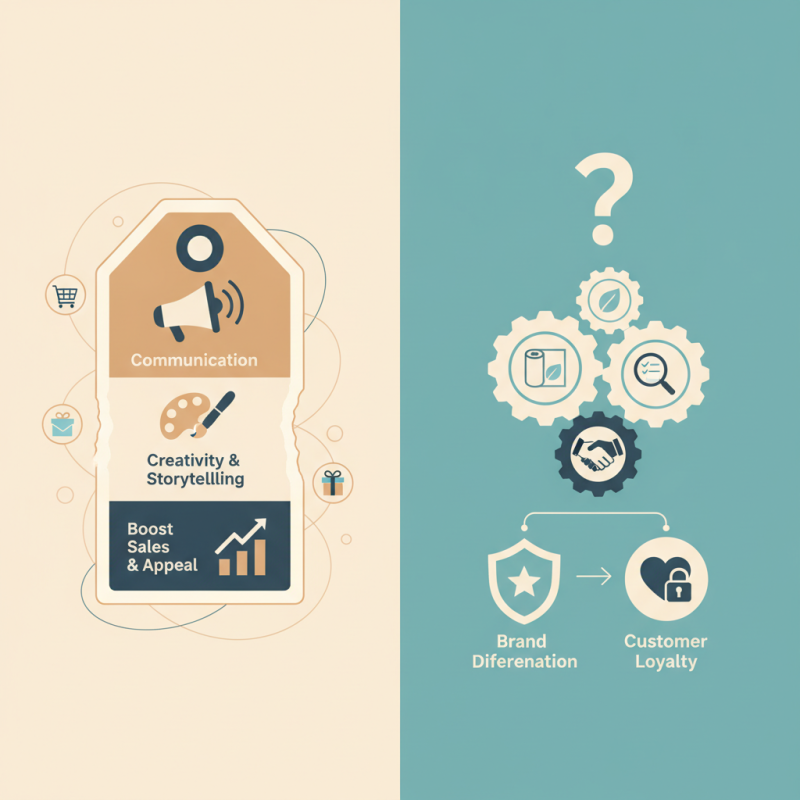
In today’s competitive market, branding plays a crucial role in business success. One often overlooked component of branding is the "Paper Label." This simple yet impactful tool can enhance a product’s appeal. It serves not only as a means of communication but also as a canvas for creativity.
A well-designed Paper Label tells a story. It conveys essential information about the product while capturing the essence of the brand. Customers often make quick decisions based on visuals. An eye-catching label can attract attention and boost sales. Moreover, it reflects the quality and values of your brand.
However, creating effective Paper Labels is not without challenges. Businesses must consider materials, designs, and regulations. A poorly designed label can lead to confusion or mistrust. It is essential to invest time in this aspect of branding. This attention to detail can set a business apart from competitors and build customer loyalty.
Understanding Paper Labels: Definition and Importance
Paper labels are an essential tool for many businesses. They offer a unique blend of functionality and branding opportunities. A well-designed label can communicate vital information about a product. This includes ingredients, usage instructions, and other specifications. Additionally, attractive labels can catch a customer’s eye, drawing them toward your product.
Understanding the importance of paper labels goes beyond aesthetics. They provide businesses with a means to tell their story. Labels can reflect a brand’s values and mission. For instance, environmentally friendly labels can attract sustainability-minded consumers. However, not all labels perform well. Some may fray, fade, or peel away, affecting the overall brand perception. This inconsistency can hurt a business's reputation.
Moreover, choosing the right type of paper for labels is crucial. Thick, durable paper may convey quality, but cost considerations are also important. A balance must be struck between quality and budget. Evaluating customer feedback can help. Observing how labels perform in real-world conditions will guide future improvements. Properly assessing these elements can lead to enhanced customer experiences and stronger brand loyalty.
What is Paper Label and How Can It Improve Your Business? - Understanding Paper Labels: Definition and Importance
| Dimension |
Description |
Benefits |
Examples of Use |
| Material Type |
The composition of the paper label such as kraft, glossy, or thermal. |
Enhanced printing quality and durability in various environments. |
Product packaging, shipping labels, and information tags. |
| Print Quality |
The clarity and vibrancy of the printed text and images. |
Improves brand visibility and customer engagement. |
Product labels, promotional materials, and point-of-sale signage. |
| Customization |
The ability to create unique labels tailored to specific needs. |
Increases brand identity and product differentiation. |
Seasonal products, limited editions, and personalized gifts. |
| Regulatory Compliance |
Adherence to labeling laws and standards required for specific industries. |
Avoids legal issues and builds trust with consumers. |
Food products, pharmaceuticals, and hazardous materials. |
| Sustainability |
Use of eco-friendly materials and processes for labeling. |
Appeals to environmentally conscious consumers and enhances brand reputation. |
Organic products, eco-friendly packaging, and sustainable goods. |
Types of Paper Labels and Their Uses in Business
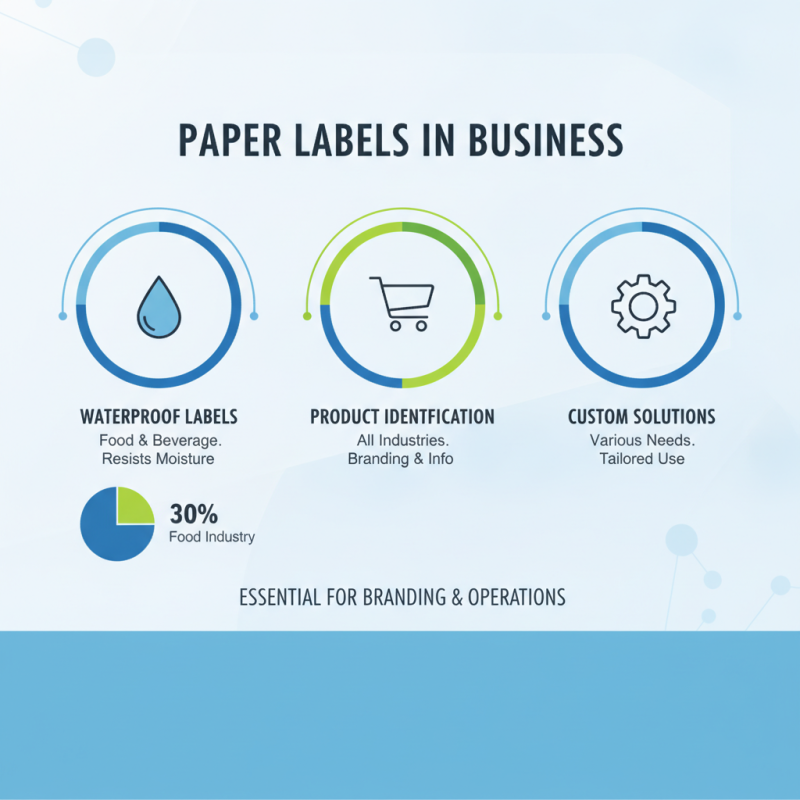
Paper labels play a crucial role in various industries. They are essential for product identification and branding. Different types of paper labels serve unique purposes, each tailored to specific business needs. For instance, food and beverage industries often use waterproof labels. These labels withstand moisture and maintain their quality. According to a recent market analysis, waterproof labels account for 30% of the label market in the food industry.
Besides waterproof labels, matte and glossy labels are widely used for retail products. Matte labels provide a sophisticated look. They enhance the perceived value of products. In contrast, glossy labels are eye-catching. They draw customer attention with vibrant colors. Research suggests that 85% of consumers base their purchase decisions on label appearance. Customizable options also allow businesses to differentiate themselves in the market.
Choosing the right label type is important. Poor label quality can lead to product damage and consumer distrust. Businesses often overlook label selection. They may choose functionality over aesthetics. Understanding the relationship between labels and customer perception can guide better decisions. Investing in high-quality labels can improve brand loyalty in the long run. The right label not only represents a product but also speaks to its quality and credibility.
Benefits of Using Paper Labels for Branding and Marketing
Paper labels offer a tangible way to enhance branding and marketing efforts. They can be tailored to match your business identity, providing a unique touch that digital marketing cannot replicate. Vivid colors and striking designs on labels catch the eye. When consumers see attractive labels, they tend to remember the brand better. This form of physical marketing creates a lasting impression.
Utilizing paper labels can also foster engagement with customers. Interactive elements like QR codes or unique messages can be integrated. This encourages customers to connect more deeply with the brand. When customers feel personally addressed, their loyalty grows. However, balancing creativity with clarity is crucial. A creative label that confuses the customer can drive them away.
The environmental impact of paper labels is a topic of reflection. While they can be eco-friendlier than plastic, sourcing sustainable materials is essential. Brands should consider their responsibility towards the planet. Transitioning to biodegradable options may not be straightforward. It often requires reevaluation of supplier relationships. In the quest for effective branding, businesses must find a responsible way forward.
Benefits of Using Paper Labels for Branding and Marketing
Best Practices for Designing Effective Paper Labels
When designing effective paper labels, clarity and simplicity should be the guiding principles. Use legible fonts and clear graphics to ensure your message reaches the audience. Choose colors that fit your brand and stand out on the shelves. A well-designed label attracts customers, but if it's overcrowded, it can confuse them. The balance of information is crucial.
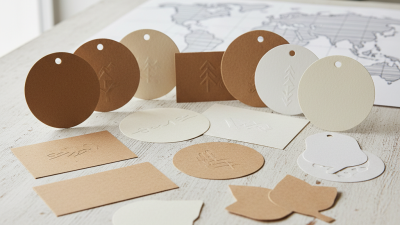
Material selection also plays a vital role. Paper thickness, texture, and finish can convey quality. Glossy labels may catch the eye, while matte finishes can communicate elegance. Ensure that the label adheres well to the product, as peeling edges can reflect poorly on your brand. The environment impacts label performance, so consider factors like moisture and temperature.
Testing your labels before mass production can reveal unexpected issues. Sometimes, what looks good in theory might not work in practice. Gathering feedback from potential customers can provide insights that improve the final product. Always be willing to refine and iterate your designs based on real-world use.
How to Choose the Right Paper Label for Your Products
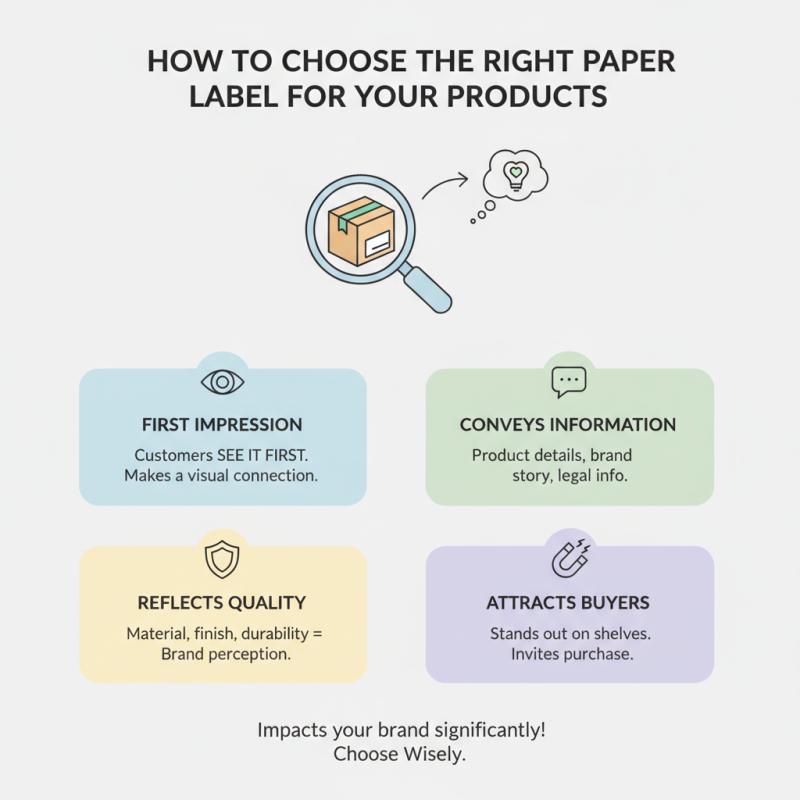
Choosing the right paper label for your products can significantly impact your brand. The label is the first thing customers notice. It conveys information, reflects quality, and attracts potential buyers.
When selecting paper labels, consider the size and shape. They should fit your packaging perfectly. The design should be clear and eye-catching. Choose colors that align with your brand’s identity. Remember, labels shouldn’t be overly cluttered. Simplicity can enhance readability.
**Tips:** Test different materials. Glossy finishes can add vibrancy, while matte feels more elegant. Consider how labels will react to different environments. This is crucial for products exposed to moisture or temperature changes.
Also, think about the printing process. Some methods produce richer colors than others, influencing the final look. Stay open to feedback. Sometimes, the best ideas come from outside perspectives.