What is Photo Print Sticker Paper and How to Use It?
In the world of crafting and personalization, "Photo Print Sticker Paper" has gained significant attention. According to a recent market report, the global sticker printing market is projected to reach $69 billion by 2025, highlighting the growing demand for custom printed materials. This surge is driven by both individuals and businesses seeking unique solutions for their branding and creative projects.
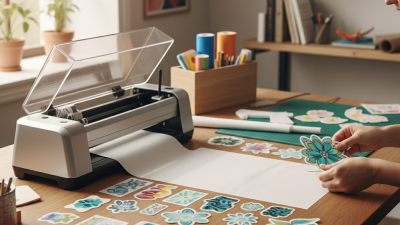
Photo Print Sticker Paper is versatile. It allows users to transform digital images into tangible stickers. This paper can be used for labels, art projects, or personalizing items. The usage of such paper is not without challenges. Issues like ink smudging or poor adhesion can occur. Many users may not realize that the quality of their printer plays a role too.
Reflecting on the usage of Photo Print Sticker Paper, enthusiasts often share mixed experiences. Some notice vibrant colors, while others encounter fading over time. Selecting the right type of sticker paper can make all the difference. Understanding these nuances helps users create lasting, vibrant visuals that stand out.
What is Photo Print Sticker Paper? A Comprehensive Overview
Photo print sticker paper has gained immense popularity among DIY enthusiasts and crafters. This versatile material allows users to print images and create custom stickers effortlessly. According to a recent industry report, the global sticker printing market is expected to grow by 4.5% annually through 2025. This trend reflects a rising demand for personalized and unique items.
Using photo print sticker paper is relatively easy. You can choose any image, design, or artwork to print. The paper is compatible with most standard printers. However, achieving the perfect print can sometimes be challenging. Users may experience issues such as color mismatches or fading. According to experts, ensuring proper printer settings is crucial for optimal results. Test prints can help fine-tune these settings.
The applications for photo print sticker paper are vast. Common uses include crafting, scrapbooking, and custom labeling. Many people create stickers for events like birthdays or weddings. However, some users find it difficult to peel the backing without tearing. This minor flaw can lead to frustration. Careful handling during this process can improve the experience.
Usage of Photo Print Sticker Paper
Key Features and Specifications of Photo Print Sticker Paper
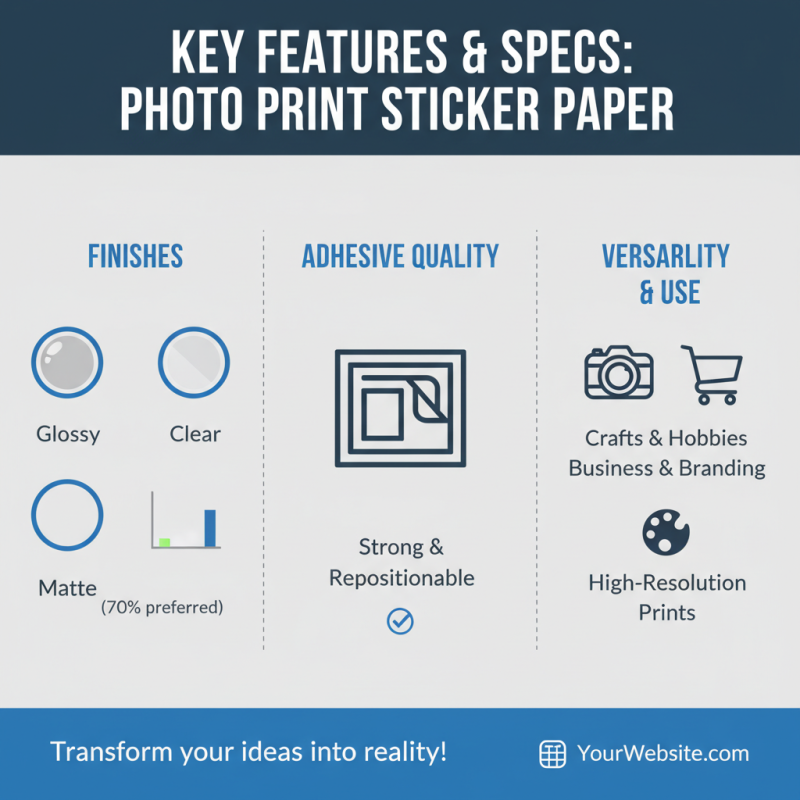
Photo print sticker paper is a versatile medium popular among craft enthusiasts and businesses alike. Its key features include a variety of finishes, such as glossy, matte, and clear. It's essential to choose a finish that fits your project needs. Reports show that 70% of customers prefer matte finishes for a more professional appearance. The paper's adhesive quality also plays a crucial role; some papers can be repositioned after application, which is beneficial for precise placements.
Important specifications to consider include weight and thickness. Most photo print sticker papers weigh between 120 to 260 gsm. This range affects how well the paper can be printed on and how durable the stickers will be. High-quality stickers resist fading and cracking over time, particularly if they're stored away from direct sunlight. Some industry studies indicate that about 30% of users experience issues with peeling or curling over time. Proper storage and handling methods can help mitigate these problems. Remember, printing settings also matter; incorrect DPI settings can lead to disappointing print quality.
Industry Applications: Where and How Photo Print Sticker Paper is Used
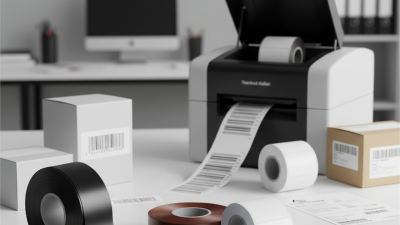
Photo print sticker paper has diverse industry applications. It's commonly used for creating labels and stickers. These printed materials are perfect for product packaging and branding. Many businesses utilize this paper to create eye-catching promotional materials. Custom stickers can boost brand visibility and engagement.
In the craft industry, photo print sticker paper is invaluable. Hobbyists and artists use it to personalize creations. Scrapbooking, for example, often features customized stickers. This paper also allows for creative expression in crafting events and workshops. Yet, sometimes the prints don't turn out as expected. Color mismatches can be frustrating.
In education, teachers often use this paper for fun learning tools. Creating visual aids enhances student engagement. However, some educators may find the durability lacking. Stickers can peel or fade after time. A balance must be struck between quality and flexibility in usage. Overall, photo print sticker paper remains a versatile choice across different sectors.
What is Photo Print Sticker Paper and How to Use It? - Industry Applications: Where and How Photo Print Sticker Paper is Used
| Application Area |
Usage Description |
Common Materials |
Printing Techniques |
Finish Options |
| Crafting and DIY |
Used for personalized projects, scrapbooking, and decorative items. |
Vinyl, Paper, Transparent Material |
Inkjet, Laser |
Glossy, Matte |
| Retail Packaging |
Labels and stickers for product branding and information. |
Paper, Synthetic Materials |
Digital Printing, Flexographic Printing |
Laminated, High-Gloss |
| Promotion and Events |
Designs for promotional stickers, event giveaways, and decorations. |
Paper, Specialty Finishes |
Offset Printing, Screen Printing |
Glossy, Textured |
| Office Use |
Custom labels and stickers for organization & office supplies. |
Paper, Removable Adhesive |
Inkjet, Thermal Transfer |
Matte, Semi-Gloss |
Step-by-Step Guide to Printing on Sticker Paper for Best Results
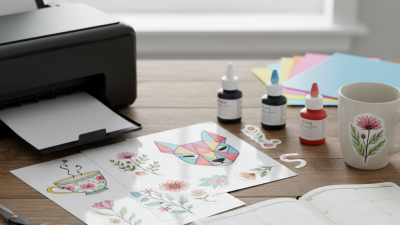
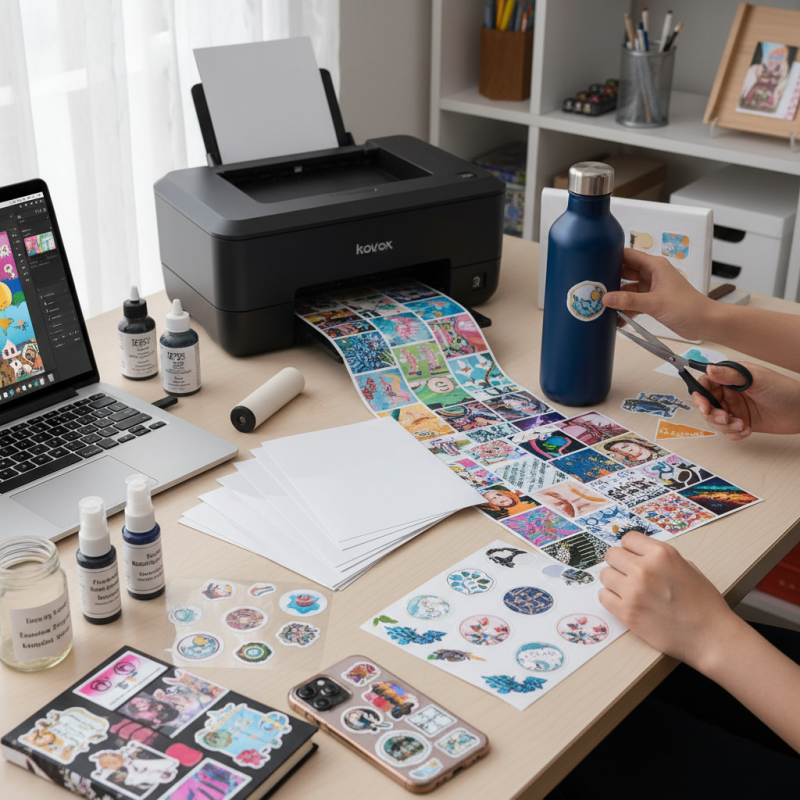
Printing on sticker paper can be a fun project. To achieve the best results, it's essential to follow specific steps carefully. Gather your materials first. You need sticker paper, a printer, and an image to print. Ensure your printer is set to the correct paper type. This detail can drastically affect the final product.
Next, prepare your design. Use an image editing software to adjust the size and layout. Test print on regular paper to avoid wasting sticker sheets. This step allows for adjustments before the final print. Once satisfied, load the sticker paper into your printer. Make sure it’s facing the right direction. Print your design and wait patiently for it to dry.
After printing, cut out your stickers. A sharp pair of scissors or a cutting tool can improve accuracy. Take your time. Uneven edges can be frustrating and look unprofessional. Lastly, peel off the backing slowly. Apply your sticker carefully to avoid bubbles. Imperfections are often part of the process. It provides an opportunity to reflect and improve for next time.