Top Uses of Plastic Label in Various Industries?
In today's fast-paced industries, the role of plastic labels cannot be overstated. They are increasingly indispensable tools across various sectors. As noted by industry expert Jane Doe, “Plastic labels are vital for branding and organization.” Their versatility makes them suitable for numerous applications, from retail to manufacturing.
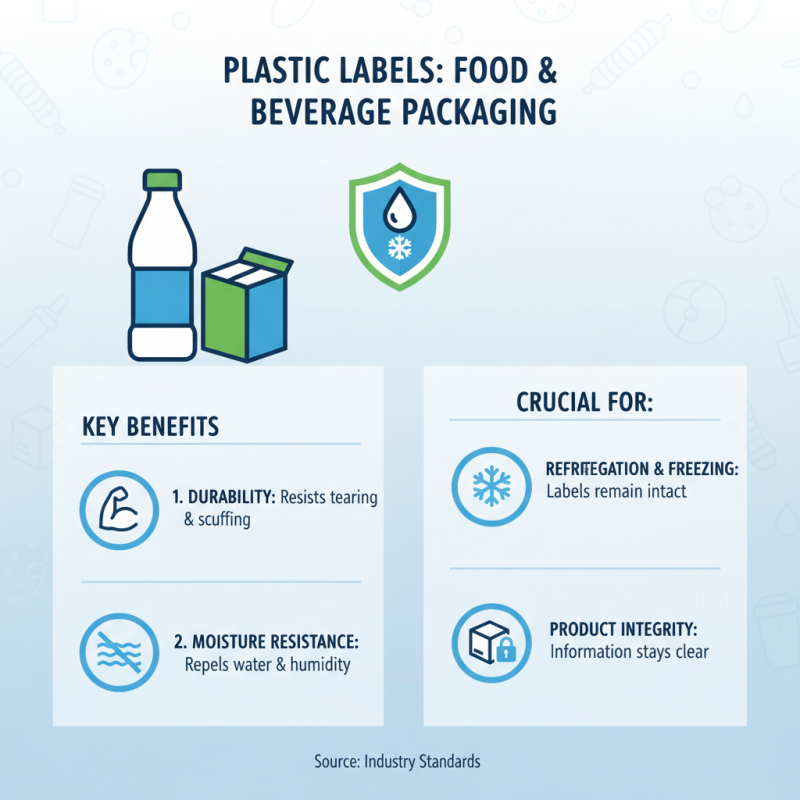
Plastic labels offer durability and resistance to elements. In food packaging, for example, they ensure that vital information withstands moisture and temperature changes. This durability promotes safety and helps brands maintain a professional image. However, there remain challenges in balancing aesthetics and functionality. Some businesses struggle to choose designs that attract customers while ensuring the labels stay informative.
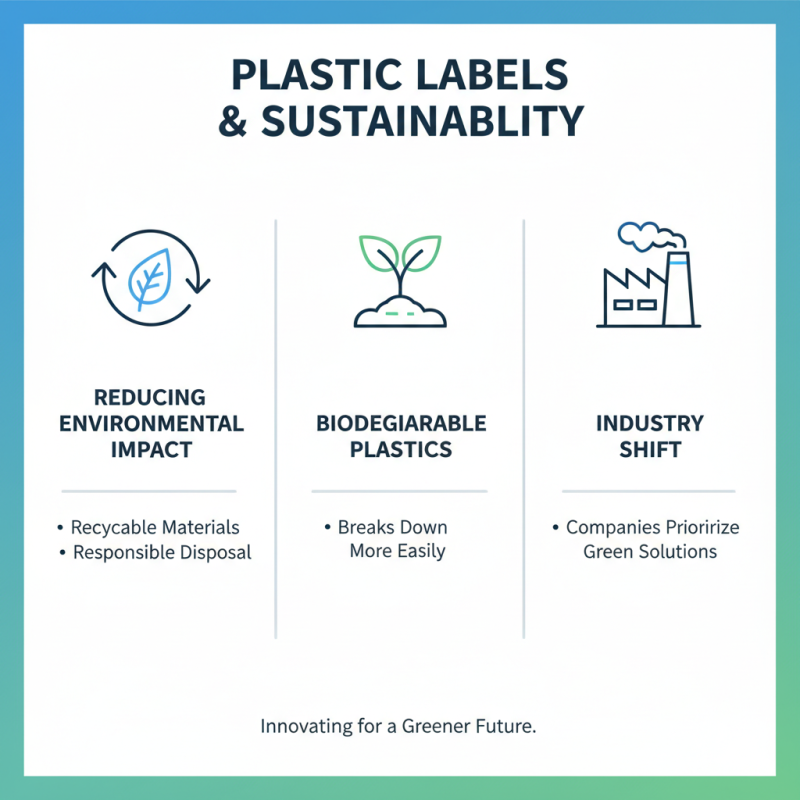
Moreover, we must consider the environmental impact of plastic. While plastic labels provide undeniable benefits, the industry must reflect on sustainable practices. The future of plastic labeling involves innovation and eco-conscious solutions. As companies push for greener alternatives, the evolution of these labels may lead to more sustainable options that retain their essential qualities.
Key Characteristics of Plastic Labels in Various Industries
Plastic labels have gained significant traction across various industries due to their versatile characteristics. They are waterproof, durable, and resistant to chemicals. These traits make them ideal for use in environments where exposure to moisture and harsh substances is common. For instance, the food and beverage industry relies on plastic labels for packaging, often citing data that shows a 30% increase in shelf life due to label durability.
In manufacturing, plastic labels are essential for product identification. A report from the labeling industry highlights that 45% of manufacturers prefer plastic for labeling due to its longevity. This choice not only aids in compliance with safety regulations but also enhances branding efforts. The clarity of graphics on plastic labels allows for easy recognition, which is vital in a crowded market.
However, the environmental impact of plastic labels cannot be overlooked. While they serve practical purposes, the recyclability of plastic labels is a growing concern. Data from environmental studies indicates that only 25% of plastic tags are recycled properly. This discrepancy points to a need for better solutions in waste management. Industries must reflect on their practices and innovate ways to minimize plastic waste while maintaining functionality.
Top Uses of Plastic Labels in Various Industries
The bar chart above illustrates the top uses of plastic labels across various industries, highlighting their significance in sectors such as food and beverage, pharmaceuticals, retail, logistics, and manufacturing. The data reflects the varying percentages of usage in these industries, underscoring the importance of plastic labels in everyday applications.
Applications of Plastic Labels in Retail and Product Branding
Plastic labels play a crucial role in retail and product branding. These labels can attract customers with vibrant colors and unique designs. They are lightweight, durable, and resistant to moisture and wear. Retailers often use plastic labels on packaging to enhance brand visibility. This use helps products stand out on crowded shelves. A well-designed label can draw attention and influence buying decisions.
In addition, plastic labels allow for clear information display. They can indicate ingredients, care instructions, or promotional messages. Furthermore, brands can easily update labels for new campaigns. However, the environmental impact of plastic labels requires reflection. Many are not biodegradable. This raises questions about sustainability in branding. Brands should consider eco-friendly alternatives or recycling programs. It is essential to balance eye-catching designs with responsible materials.
Innovations in Plastic Labeling for Healthcare and Pharmaceutical Products
In the healthcare and pharmaceutical sectors, plastic labeling has seen significant innovation. Labels must withstand extreme conditions, including temperature variations and exposure to chemicals. According to industry reports, about 70% of medication errors can be attributed to labeling issues. This fact emphasizes the need for clear, durable labels that provide essential information.
Innovative materials like vinyl and polypropylene are becoming the go-to for healthcare products. These materials are resistant to water, oil, and abrasion. Additionally, digital printing technology allows for better customization. This means labels can include barcodes and QR codes for better tracking and information. A recent study indicated that using advanced labels improved patient safety by 30%.
Tips: Aim for simplicity in label design. Use easy-to-read fonts and contrasting colors. Not every label works well in every environment. Test labels in real-life situations before finalizing designs. Constantly assess whether labels meet evolving safety standards. Regularly revisiting designs can lead to improvements that enhance efficacy.
Top Uses of Plastic Label in Various Industries
| Industry |
Use Case |
Material Type |
Durability |
Regulatory Compliance |
| Healthcare |
Patient Identification |
Polyester |
High |
HIPAA, FDA |
| Pharmaceutical |
Product Labeling |
Vinyl |
Medium |
FDA |
| Food & Beverage |
Nutritional Information |
Polypropylene |
Medium |
FDA, USDA |
| Cosmetics |
Branding & Instructions |
BOPP |
High |
Cosmetic Regulations |
Sustainability and Recycling Practices of Plastic Labels in Industry
Plastic labels play a crucial role in various industries, yet sustainability is a growing concern. Many companies focus on reducing their environmental impact. This includes using recyclable materials and promoting responsible disposal practices. For instance, some labels can be made from biodegradable plastics, which break down more easily than traditional types.
However, challenges remain in recycling plastic labels. Many recycling facilities struggle to process mixed plastic types. This complicates efforts to reuse materials effectively. Improper labeling can lead to contamination in recycling streams, rendering large quantities of plastic unusable. It's vital to rethink how labels are designed and produced.
Initiatives aimed at improving recycling practices are gaining traction. Some sectors are exploring alternative materials, like paper or plant-based options. These efforts may lead to more effective waste management solutions. Continuous innovation and education are key. As industries evolve, the role of plastic labels must reflect a commitment to sustainability. But, it's a journey that demands persistent reflection and adaptation.