Top 10 Plastic Bottle Labels for Effective Branding Solutions?
The packaging industry has witnessed significant advancements, particularly in the realm of Plastic Bottle Labels. According to a 2022 market analysis by Smith & Associates, the global market for beverage packaging is expected to reach $220 billion by 2026. This growth emphasizes the critical role that labels play in brand recognition and consumer engagement.
Expert in packaging solutions, Dr. Emily Carter, notes, “Effective labeling is more than just aesthetics; it communicates your brand's identity.” By harnessing innovative designs and sustainable materials, companies can enhance their visibility on crowded shelves. Plastic Bottle Labels must not only attract attention but also inform consumers, making clear the product's benefits.
However, many brands struggle to find the perfect balance between creativity and clarity. The challenge lies in staying true to brand values while appealing to consumer preferences. As the market evolves, companies must reflect on their labeling strategies. Engaging packaging is vital, yet it must not overshadow the product itself. This insight brings us to explore the top 10 Plastic Bottle Labels that embody effective branding solutions.
Understanding the Importance of Plastic Bottle Labels in Branding
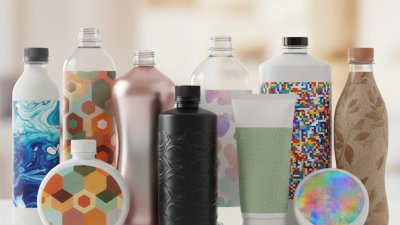
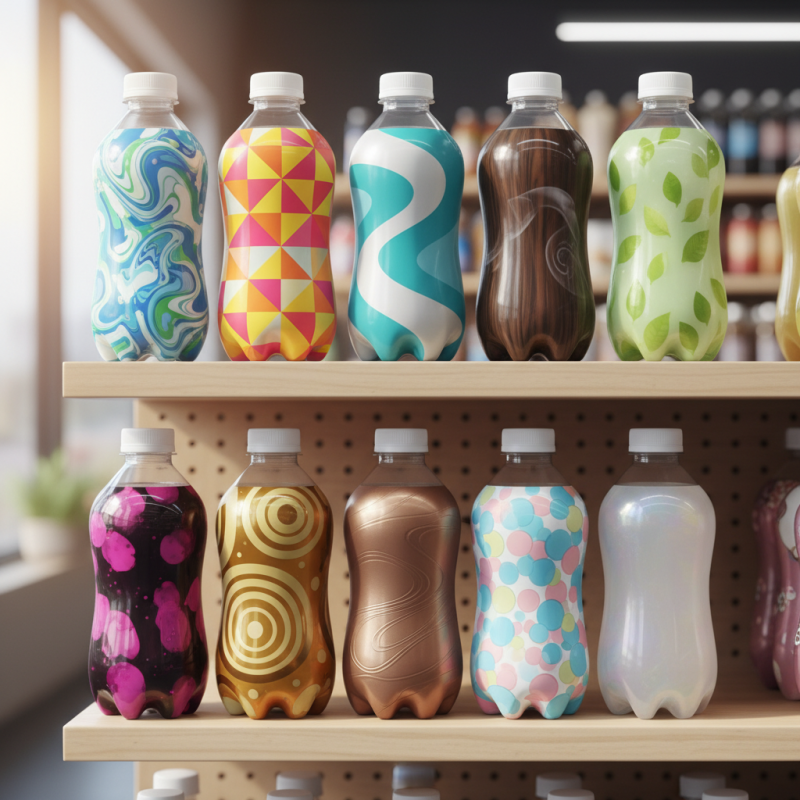
Plastic bottle labels play a crucial role in branding. They are not just stickers on a bottle; they are powerful tools. A well-designed label attracts attention. It communicates the essence of a brand. The right colors and fonts can create a lasting impression.
Labels help differentiate products in a crowded market. They provide essential information, like ingredients and usage instructions. However, many brands overlook this aspect. A cluttered or confusing label can drive customers away. It's essential to maintain clarity while being visually appealing.
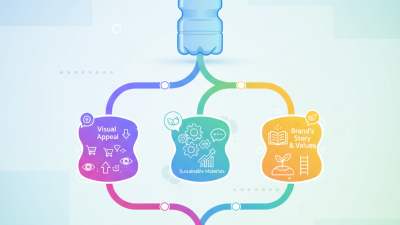
Memorable labels tell a story. They evoke emotions and create connections. Brands must reflect on their label design often. What message are they conveying? Can it be improved? Regular evaluation is key to staying relevant.
Factors to Consider When Designing Plastic Bottle Labels
Designing effective labels for plastic bottles requires careful consideration of several factors. Research indicates that visually appealing labels can increase product sales by up to 20%. Colors, fonts, and imagery play crucial roles in catching a customer's eye. The packaging's overall look should align with the brand's identity, ensuring consistency across different products.
Another significant factor is the information presented on the label. It's essential to balance aesthetics with clarity. Consumers often seek concise details, such as ingredients and usage instructions. Studies show that 65% of consumers prefer brands that provide transparent information. Overloading labels with text or complex graphics can lead to confusion. Therefore, a well-structured layout and easy-to-read fonts can enhance consumer trust.
Sustainability is becoming an important consideration as well. Reports indicate that 74% of shoppers are willing to pay more for eco-friendly packaging. Marketers must reflect this trend in their label designs. Labels made from recyclable materials can resonate with environmentally conscious consumers. However, finding a balance between eco-friendliness and visual appeal often presents challenges. Continuous reflection is crucial in creating labels that not only attract but also communicate effectively with the target audience.
Top Design Trends in Plastic Bottle Labeling for 2023
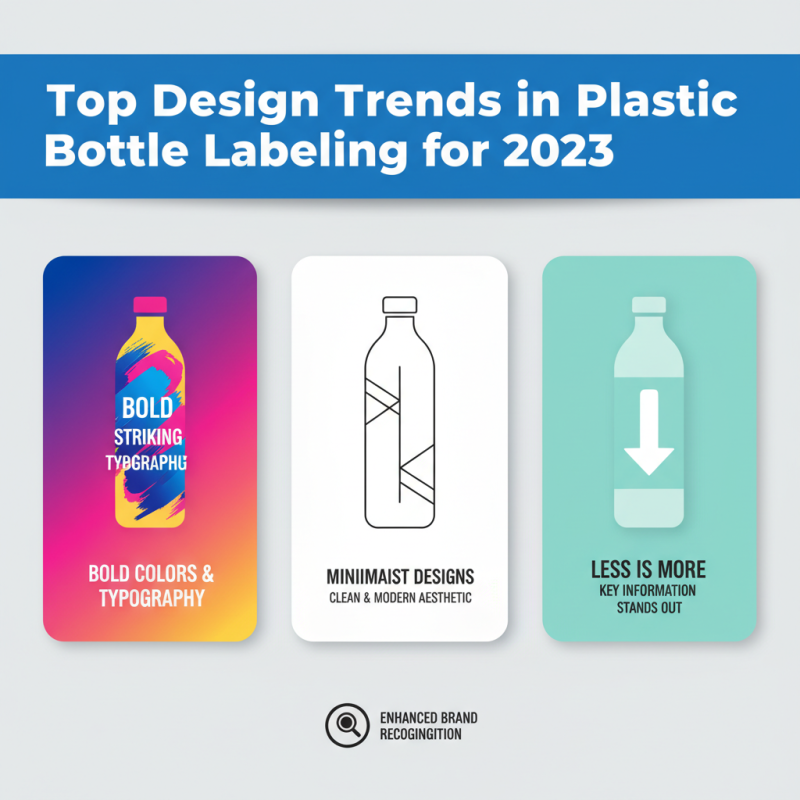
In 2023, plastic bottle labeling has seen dynamic design trends that enhance brand recognition. One significant trend is the use of bold colors and striking typography. This combination captures attention quickly on crowded shelves. Designers are favoring minimalist designs to create a clean and modern aesthetic. Less is often more, allowing key information to stand out.
Another growing trend involves sustainable materials. Eco-friendly labels not only appeal to conscious consumers but also align with broader environmental goals. Interactive elements, such as QR codes, are becoming essential. These codes engage customers with immersive experiences, from product stories to educational content. Brands that harness this technology can foster deeper connections.
However, not all designs succeed. Cluttered labels often confuse rather than inform. It's crucial to balance creativity with clarity. Overly elaborate graphics may detract from essential product details. This year encourages brands to reflect on what truly matters. Effective branding is about intentional choices, understanding consumer preferences, and improving over time.
Eco-Friendly Labeling Solutions for Sustainable Branding
In today's eco-conscious world, sustainable branding is essential. Consumers are drawn to brands that prioritize environmental responsibility. This includes eco-friendly labeling solutions that enhance product appeal while reducing environmental impact. One effective approach involves using biodegradable materials. These labels break down naturally, resonating with eco-minded buyers.
When selecting materials for labels, consider recycled paper or plant-based substrates. Both options show a commitment to sustainability. Additionally, using water-based inks can minimize harmful chemical exposure during production. It's essential to evaluate the entire labeling process.
Tips: Always conduct research on suppliers. Ensure they meet sustainability standards. Testing your labels in varying conditions is crucial for durability. This reflects a brand's commitment to quality and responsibility. Engaging with customers about your eco-friendly initiatives can also foster trust and loyalty. Authentic transparency builds stronger connections. Aim for continuous improvements in sourcing and production practices. Environmental responsibility should evolve alongside your brand.
Top 10 Plastic Bottle Labels for Effective Branding Solutions
Case Studies: Successful Branding Through Effective Label Design
Label design is a powerful tool in branding. A well-crafted label can significantly impact consumer perception. Studies reveal that around 70% of purchase decisions are made at the point of sale. This highlights the importance of effective labeling. Labels must communicate brand identity clearly. They should also evoke emotions.
Consider the case of a beverage company that revamped its label. The new design featured vibrant colors and engaging graphics. This change resulted in a 30% increase in sales within three months. Consumers are drawn to labels that provide clear information and stand out on shelves. They should also reflect the values of the brand, whether that's sustainability or quality.
However, not all branding efforts succeed. Some companies rely too heavily on aesthetics. Others forget about readability. A focus on these aspects can lead to missed opportunities. Studies show that labels that include clear benefits can improve consumer trust. Balancing creativity with information is key for effective branding.