Top Thermal Ribbon Roll Options for 2026 What to Buy?
In the ever-evolving world of printing solutions, the choice of Thermal Ribbon Roll is crucial. Experts like Jane Thompson, a leading authority in the printing supplies industry, state, “The right ribbon can elevate your printing quality dramatically.” As we approach 2026, understanding the top options available is essential for businesses looking to optimize their printing processes.
Thermal ribbon rolls come in various types, each designed for specific applications. Companies often struggle to decide which type suits their needs best. Many factors, such as durability, print quality, and cost, play a significant role in this decision. A poor choice may lead to blurred prints or frequent maintenance issues.
Staying updated with industry trends is vital. The latest advances in thermal ribbon technology promise improvements in durability and print clarity. While some users may feel overwhelmed by the options, making informed decisions based on expert insights can enhance overall productivity. With the right information, choosing the ideal Thermal Ribbon Roll can be a beneficial step for your business in 2026.
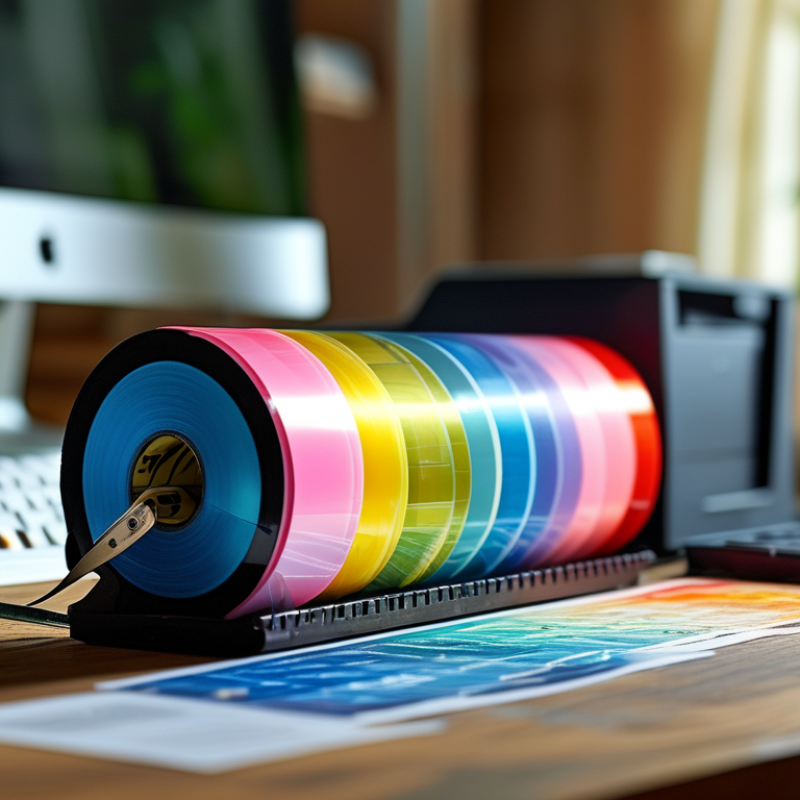
Top Types of Thermal Ribbon Rolls for Various Printing Needs
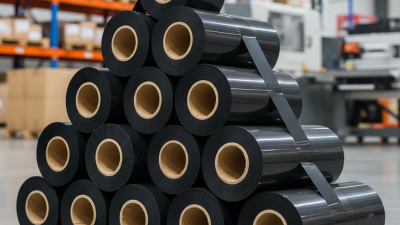
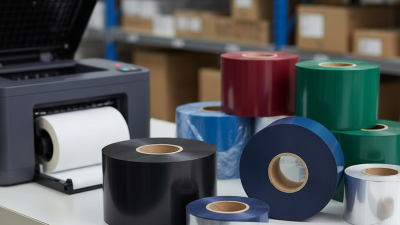
When choosing thermal ribbon rolls for your printing needs, it’s essential to understand the variations available. There are different types designed for specific applications. For instance, resin ribbons work best for durable labels. They withstand scratches and harsh environments. They are ideal for shipping labels and barcodes.
Wax ribbons offer cost efficiency for everyday printing tasks. They produce decent quality for general use, such as shipping documents and inventory tags. If your needs sometimes shift, consider a wax-resin hybrid. This option balances cost and durability, providing versatility for changing requirements.
Reflect on your printing frequency and label quality needs. Heavy-duty applications may benefit from sturdier options. Yet, you may find that standard wax ribbons suffice for less demanding tasks. Aim for ribbons that align with your budget while meeting quality expectations. Remember, the right choice can impact both workflow efficiency and the final product.
Key Features to Look for When Choosing Thermal Ribbon Rolls
When selecting thermal ribbon rolls, consider the print quality. The print resolution largely depends on the ribbon's material. High-quality ribbons often use resin or composite materials. These ensure sharp prints and longevity. Reports indicate that businesses experience a 30% increase in print efficiency with better ribbons. This is crucial for high-volume printing environments.
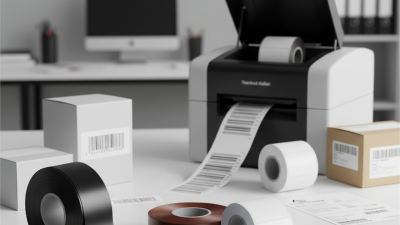
Another essential feature is the compatibility of the ribbon with your printer. Not all ribbons work seamlessly with every printer model. Mismatched ribbons can lead to printing errors and reduced output. It is crucial to verify compatibility to avoid costly mistakes. Industry studies show that 15% of printing failures are due to improper ribbon selection.
Durability is also a critical aspect. A ribbon should withstand heat and friction without degrading. For instance, a good thermal ribbon can maintain its quality in various conditions. An analysis reveals that choosing the right ribbon can reduce operational downtime by up to 25%. This highlights the importance of selecting a ribbon with the right durability features.
Comparison of Popular Thermal Ribbon Brands for 2026
In the evolving landscape of thermal ribbons, selecting the right product is essential for optimal printing performance. Data from industry reports indicate that thermal ribbons vary in material, durability, and print quality. The leading brands typically focus on resin and wax formulations. Thus, understanding these differences is crucial for making informed choices.
A recent survey highlights that users prefer ribbons that produce crisp, smudge-resistant prints. Over 70% of respondents reported higher satisfaction with resins for longer-lasting labels. Compatibility with printers also plays a significant role in selection. Examine printer specifications to ensure the ribbon matches your device capabilities. Compatibility issues can lead to unsatisfactory results.
Tip: Always opt for test samples before purchasing in bulk. This allows you to evaluate quality without commitment.
Another consideration is the
environmental impact of ribbon materials. Eco-friendly options are growing, with more manufacturers embracing sustainable practices. However, some users may question the trade-off between sustainability and performance. Prioritize your needs while remaining mindful of environmental consciousness.
Tip: Review certifications and claims to verify sustainability claims. Ensuring that your choice aligns with
ethical practices can enhance brand reputation.
Tips for Proper Storage and Handling of Thermal Ribbon Rolls
Proper storage and handling of thermal ribbon rolls are crucial for maintaining their quality. To start, keep these ribbons in a cool, dry place. Excessive heat can degrade the material. A temperature range of 15-25 degrees Celsius is ideal. Avoid direct sunlight, as UV rays can damage the ribbons over time.
Handling is equally important. Always use clean hands when touching the ribbons. Oils and dirt can affect printing quality. When loading ribbons into printers, check for any folds or creases. Uneven surfaces can lead to printing errors. If you notice any imperfections, it's best to discard that section.
Lastly, think about the expiration date of your ribbons. Most have a limited shelf life. Use older stock first to avoid waste. Regularly inspect stored ribbons for any signs of deterioration. This keeps your printing operations smooth and efficient. Consistent attention to these details can prevent costly mistakes.
Top Thermal Ribbon Roll Options for 2026
This chart illustrates the estimated usage of different types of thermal ribbon rolls in various industries for the year 2026. Proper storage and handling are essential to maintain their quality and performance.
Cost vs. Quality: Evaluating Thermal Ribbon Roll Options
When evaluating thermal ribbon roll options, cost and quality often clash. It's essential to find a balance. The least expensive ribbons may lead to poor print quality and frequent replacements. That's a frustrating scenario for any business. Brands must understand that investing slightly more can result in significant long-term savings. The right ribbon contributes to better durability and sharper images.
Consider the materials used in thermal ribbons. High-quality options often use superior wax or resin formulations. These materials affect not only print quality but also resistance to elements like heat and moisture. Choosing lower-quality products might seem tempting, but they can fail during critical operations. You may face unanticipated downtimes or costly reprints.
Additionally, always read user reviews and check specifications. These details can provide insights into performance under various conditions. Inconsistent feedback may signal a need for caution. Reflect on what your specific printing needs are and how different ribbons align with them. Don’t shy away from asking suppliers questions about their products’ longevity and usability to ensure they meet your expectations.
Top Thermal Ribbon Roll Options for 2026: Cost vs. Quality
| Thermal Ribbon Type |
Cost per Roll (USD) |
Print Quality (1-10) |
Durability (1-10) |
Compatibility |
| WAX |
$10.00 |
7 |
5 |
Wide Compatibility |
| RESIN |
$15.00 |
9 |
8 |
Limited Compatibility |
| WAX/RESIN |
$12.50 |
8 |
7 |
Moderate Compatibility |
| INSECT RESISTANT |
$20.00 |
10 |
9 |
Specific Printers |