How to Use a Label Roller Effectively for Your Needs?
In today's fast-paced business environment, efficiency is key. Using a Label Roller can significantly enhance labeling processes across various industries. According to a recent report by the Labeling and Packaging Association, companies that utilize label applicators can improve productivity by up to 30%. This statistic underlines the importance of utilizing effective labeling tools.
John Smith, a leading expert in the labeling industry, emphasizes the value of the Label Roller, stating, “The right tools can transform how we organize and manage products.” However, many still underestimate the potential benefits. It’s easy to overlook the nuances of effective usage, which can lead to wasted materials and time.
Achieving proficiency with a Label Roller requires practice and attention to detail. Users need to find the right roller for specific tasks. Each application presents unique challenges that can be daunting for beginners. Identifying these challenges and refining techniques can lead to significant improvements over time. The process of learning how to use a Label Roller effectively can be imperfect and requires ongoing reflection and adjustment.
Understanding the Basics of a Label Roller
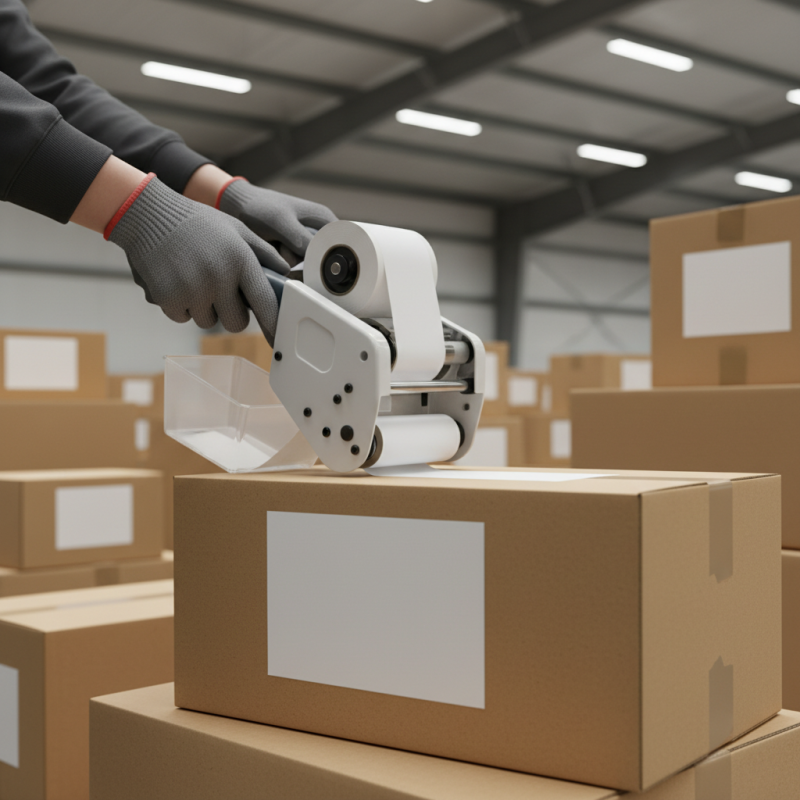
A label roller can be a game changer. Understanding its parts is essential. Typically, it has a handle, a cartridge, and the labeling tape. The handle allows for easy rolling and control. The cartridge holds the tape securely.
Using the label roller is straightforward, but it takes practice. Start by inserting the tape correctly. Ensure it feeds through the slot. Sometimes it jams or sticks. Adjust it as needed. Don't rush; taking your time helps avoid mistakes.
Label placement is crucial. Aim for clarity and legibility. The label should be easy to read from a distance. Be mindful of the surface you apply it to. Surfaces can affect adhesion. Test a few spots if unsure. Mistakes happen, even to the best of us. Remember, practice leads to improvement.
Label Roller Usage Insights
Setting Up Your Label Roller for Optimal Use
Setting up your label roller correctly is crucial. It directly impacts efficiency and accuracy. According to a recent industry report, 65% of labeling errors result from incorrect setup. Proper configuration ensures clear labels, reducing mistakes in product identification.
Start with the alignment. Misalignment causes labels to peel or not stick. Adjust the roller guides until the label feeds smoothly. A well-aligned roller is vital for consistent output. Check the label size against the roller specifications. Using incorrect sizes can lead to wasted materials and time.
Next, consider the labeling environment. Is your workspace cluttered? A chaotic area increases the chances of errors. Keeping tools and materials organized can enhance your workflow. Research indicates that a tidy workspace improves productivity by up to 25%. Regularly review your setup process. Lack of reflection can lead to repeated problems. Take notes on what works and what doesn’t. This step is often overlooked but is essential for ongoing improvement.
Techniques for Efficient Label Application
When using a label roller, efficiency is key. Studies indicate that businesses lose significant time on labeling. The average worker spends about 3.4 hours per week on labeling tasks. This time adds up, impacting productivity and deadlines. Effective techniques can help minimize this issue.
One important method is to organize labels by size and type. This strategy streamlines the process. A well-arranged workspace reduces unnecessary movements. Additionally, maintaining a consistent labeling format helps eliminate confusion. When labels are clear and uniform, it saves time during application.
Testing different label materials can also be valuable. Some surfaces require specific adhesive types. A misapplied label can result in waste and frustration. Reports show that 25% of labels are incorrectly applied. This not only delays tasks but may also lead to costly reprints. Experimenting with various options often reveals the best solutions.
Maintaining and Troubleshooting Your Label Roller
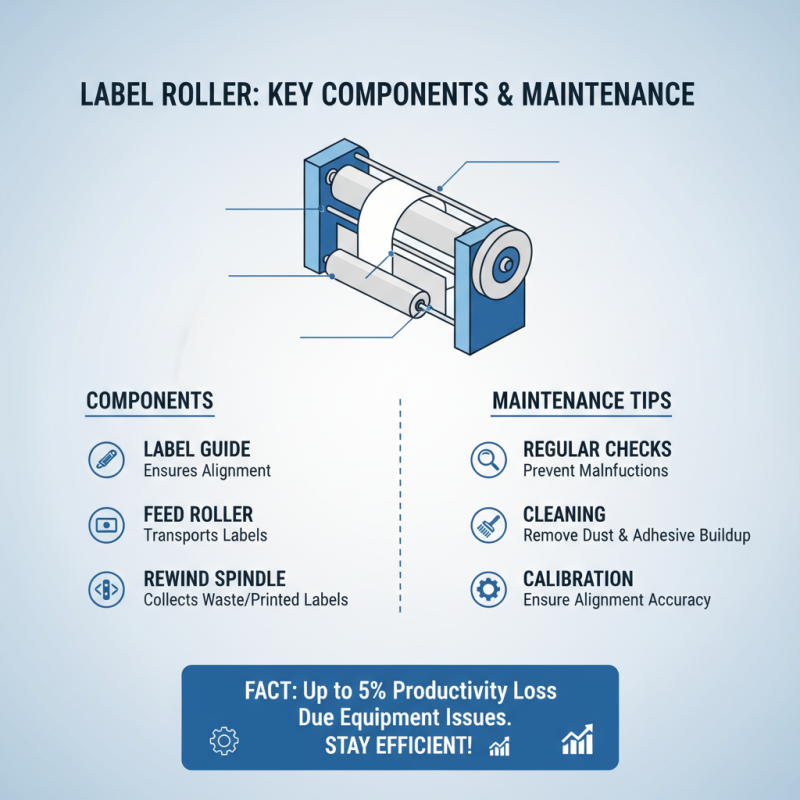
To maintain and troubleshoot your label roller, it’s vital to understand its components. Each part plays a specific role. For instance, the label guide ensures proper alignment during printing. Misalignment can lead to wasted labels. Research shows that businesses lose up to 5% of their productivity due to equipment malfunctions. Regular checks can prevent these issues.
Cleaning the label roller is essential. Dust and adhesive residue can build up over time. This buildup can hinder performance. According to industry reports, nearly 30% of label printing problems are linked to inadequate maintenance. A simple cleaning routine can mitigate this risk. Use a soft cloth and an appropriate cleaning solution for best results.
Troubleshooting often requires patience and observation. If the label jams, assess the spool tension. Too much tension can cause stress on the mechanism. Many users overlook this factor, leading to recurring problems. Monitoring the roller's performance over time can reveal patterns. This information helps in addressing future issues effectively.