Best Inkjet Print Stickers for Your Business Needs?
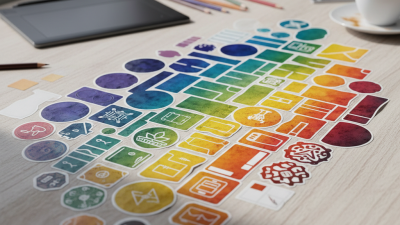
In the evolving landscape of business marketing, "Inkjet Print Stickers" have emerged as essential tools for brand recognition. As noted in a report by Smith & Associates, 34% of businesses using custom stickers reported increased customer engagement. This statistic emphasizes their importance in effective marketing strategies today.
Industry expert Dr. Emily Thompson once stated, "Inkjet Print Stickers can transform a simple product into a memorable brand experience." Her words highlight the potential of these stickers to captivate consumers. Custom stickers boost visibility and connect with audiences on a personal level, driving significant growth for businesses.
While the advantages are clear, challenges persist. Quality can vary significantly across different printing sources. This inconsistency necessitates careful research when selecting suppliers. Despite these challenges, the demand for Inkjet Print Stickers continues to rise, indicating a trend worth exploring further.
Understanding the Benefits of Inkjet Print Stickers for Businesses
Inkjet print stickers offer significant benefits for businesses, particularly in branding and marketing. According to a report by Smithers Pira, the global printing industry is projected to reach $980 billion by 2024, with digital printing playing a crucial role. Inkjet technology is favored for its versatility and cost-effectiveness. It allows businesses to create high-quality stickers in various shapes and sizes, essential for unique branding.
Visual appeal is vital in attracting customers. Research shows that color can increase people's willingness to read a piece of content by 80%. Inkjet stickers enable vibrant colors and detailed graphics. This level of customization helps businesses stand out. They can effectively communicate brand messages through eye-catching designs. However, some companies may overlook the importance of material choice. Poor materials can lead to fading or peeling, diminishing the sticker's lifespan.
Additionally, the rise of e-commerce highlights the need for engaging packaging. A study from the National Retail Federation found that 61% of consumers are influenced by the packaging when making online purchases. With inkjet print stickers, businesses can personalize packaging, creating a memorable unboxing experience. Still, some may find the environmental impact concerning. More sustainable options are now available, but companies must weigh costs against benefits. Choosing the right sticker solution requires careful consideration and research.
Key Features to Look for in Inkjet Print Stickers
When choosing inkjet print stickers for business needs, focus on specific features that enhance usability. First, consider the adhesive quality. A strong adhesive ensures your stickers stay put on various surfaces. This is crucial for branding. Weak adhesives lead to fallen stickers and a poor impression.
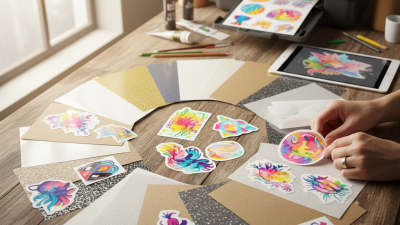
Also, think about the finish of the stickers. Matte finishes tend to absorb ink better, while glossy options provide vibrant colors. The choice depends on your design and target audience. Make sure to test different finishes to see which fits your brand identity best.
Durability should not be overlooked. Inkjet stickers can be prone to smudging and fading. Look for options that offer water and scratch resistance. Some stickers may claim durability but fail in real-world conditions. It's wise to run field tests before committing to large orders.
Pay attention to these aspects to ensure the stickers align with your business goals.
Top Brands and Products for Quality Inkjet Print Stickers
When it comes to inkjet print stickers, choosing the right options is essential for your business. Quality materials make a significant difference. Look for products that use vibrant colors and durable finishes. The adhesive quality also matters. It should stick well yet be removable when needed. Test samples from various suppliers to identify what works best for your specific needs.
Evaluating top brands can help narrow down choices. Prioritize products that offer a variety of sizes and finishes. Glossy or matte finishes can dramatically change the appearance of your stickers. Experimenting with different combinations can yield unique results. Don't overlook the importance of waterproof and fade-resistant options. They provide longevity and keep your designs looking fresh, especially for outdoor usage.
Feedback plays a vital role in choosing the right stickers. Engage with customer reviews to gauge real-world performance. Understanding what others appreciated or disliked can guide your purchase decisions. Be prepared to adjust your selections based on these insights. Sometimes, what seems perfect on paper might not work in practice. Keep refining your choices to meet your business's evolving needs.
Tips for Designing Effective Inkjet Print Stickers for Marketing
Designing effective inkjet print stickers for marketing requires creativity and strategy. Start with a clear message. Your text should be concise and impactful. Use fonts that are easy to read. Contrasting colors help your message stand out. Remember, less is often more. A cluttered design may confuse potential customers.
Think about the audience. Consider their preferences when selecting images and colors. Use visuals that resonate with their interests. Experiment with different shapes and sizes. Unique designs can make your stickers memorable. However, don’t overcomplicate the graphics. Simplicity can lead to a more effective sticker.
Testing is crucial. Print a few samples first. Gather feedback from trusted individuals. Notice what captures attention. If the response is weak, be ready to make adjustments. This iterative process can lead you to a design that truly clicks. Embrace this exploration. Sometimes, what seems perfect at first may require further refinement.
How to Maintain and Store Inkjet Print Stickers for Longevity
Maintaining inkjet print stickers is crucial for maximizing their lifespan and ensuring their quality remains intact. According to a report by the Imaging Supplies Coalition, proper storage can extend the life of inkjet stickers by up to 30%. It's essential to keep them in cool, dry environments away from direct sunlight. This minimizes fading and degradation, which can occur due to UV exposure.
Cleaning techniques also play a significant role. Regularly wiping down the surface of stickers with a soft, lint-free cloth can prevent dust accumulation. The use of appropriate storage solutions, such as archival boxes or protective sleeves, helps to prevent physical damage. Industry experts suggest that high humidity levels can damage ink integrity, leading to smudging or ink run-off. Keeping humidity levels below 50% is a helpful guideline.
Observing these methods can improve the sticker's appearance and overall function. However, businesses often overlook these steps, resulting in their stickers becoming less effective. Mistakes in storage, such as stacking heavy objects on top, can lead to creases or tears. Frequent evaluation of environmental conditions and sticker handling practices is necessary for maintaining high-quality outputs.