In the vibrant world of creativity, the right tools can make all the difference. Photo Print Sticker Paper stands out as a versatile medium for artists and hobbyists alike. Expert Jenna Lee, a renowned graphic designer, emphasizes, “The quality of your sticker paper can elevate your project from ordinary to extraordinary.” Her insight highlights the importance of selecting the best materials for creative endeavors.
As we explore the best Photo Print Sticker Paper options in 2026, it’s crucial to understand how various types can impact your final product. Stickers made from quality paper can enhance colors and details. This can bring your designs to life. However, not all sticker papers are created equal. Some may wilt under heat or exposure, leading to disappointing results.
Choosing the right Photo Print Sticker Paper requires thoughtful consideration. It’s about balancing cost, quality, and durability. Artists should evaluate the specific needs of their projects. Taking time to test different materials is beneficial. Each paper has its unique characteristics. Embracing this exploration can lead to better outcomes and growth in creative expression.
Choosing the right photo print sticker paper is vital for successful creative projects. Look for paper with high-resolution capabilities. A report by the Printing Industries of America noted that papers with at least 2400 DPI (dots per inch) yield vibrant, sharp images. This resolution ensures colors pop and details remain crisp. High-quality stickiness is another feature to consider. The ideal adhesive allows for both permanent and removable applications, offering flexibility in use.
Consider the media's finish. Matte finishes provide a sophisticated look, while glossy options enhance color depth. According to a study by the Fine Print Society, 70% of users prefer glossy papers for bright, clear prints. Paper thickness impacts durability. Standard sticker papers range from 5 to 8 mils; thinner options may curl or tear easily. Users might find thicker papers more satisfying but they can be harder to cut.
Environmental considerations are crucial. Seek papers made from recycled materials, as sustainability is increasingly important for consumers. While many options exist, not all are eco-friendly. Some products may lack certifications, leaving users uncertain about their choices. It’s about finding a balance between quality and responsibility in your projects.
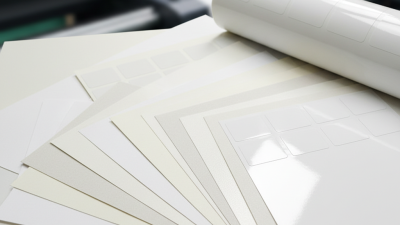
When selecting photo print sticker paper, quality matters significantly. A few key brands stabilize their reputation through consistency and reliability. These brands prioritize vibrant colors and robust adhesive properties. They make it easier to create long-lasting stickers that can withstand handling and weather elements. Users appreciate papers that offer smooth finishes and bright whites for vibrant images.
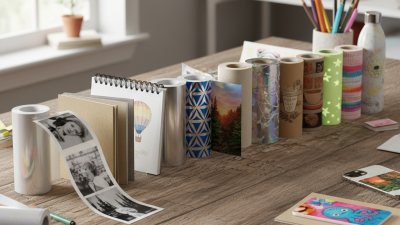
Different projects require varied types of sticker paper. For instance, glossy surfaces accentuate colors, while matte finishes provide a sophisticated look. Some papers are compatible with inkjet printers, while others work well with laser printers. Testing different options helps find the best fit for specific projects. Despite advancements, inconsistencies can arise, such as smudging or fading over time. This aspect demands attention and may lead to trial and error in your creative process. Finding the right blend of texture and durability may take effort, but it’s vital for achieving success in crafting.
In 2026, selecting the right photo print sticker paper is essential for any creative project. Various options exist, each with different finishes and adhesive qualities. Some papers offer a glossy shine, enhancing vibrant colors. Others provide a matte finish, suitable for a more subtle look. Testing these finishes can significantly impact the final result of your artwork.
The weight of the sticker paper also plays a crucial role. Heavier papers often feel more durable and provide better ink absorption. Thinner options may curl or tear easily, leading to frustration during application. Additionally, consider the printer compatibility when choosing paper. Not all printers handle every type well, which can lead to smudging or poor print quality.
Many users report mixed results, indicating that personal preferences vary. Some love the ease of peel-and-stick applications, while others find it challenging. Experimenting with different brands reveals a learning curve. Finding the perfect sticker paper may take time, but the results can enhance your creations.
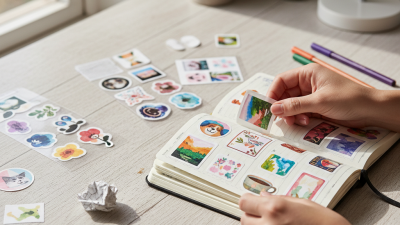
Photo print stickers are versatile tools for creative projects. They can transform ordinary crafts into personalized masterpieces. You can use them for scrapbooking, customizing phone cases, or personalizing gifts. The possibilities are endless. Mixing colors and designs can create unique pieces that reflect your personality and style.
When using photo print stickers, consider the theme of your project. Choose images that resonate with the message you want to convey. For instance, using vintage-style stickers in a retro-themed scrapbook can enhance the overall aesthetic. Don't shy away from experimenting with different textures and finishes, which can add depth to your work. You might face challenges like misalignment or unexpected color changes. Reflecting on these moments can lead to creative solutions.
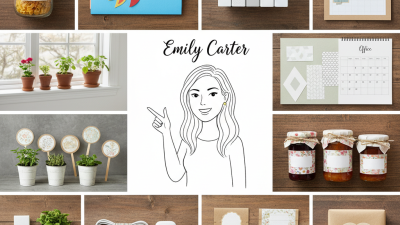
Incorporate stickers in unexpected ways. They can serve as labels for jars, decorative elements for greeting cards, or even invitations. Each project is an opportunity to learn and grow. Explore various layouts and arrangements. Learn from any missteps along the way. Embrace imperfections; they often lead to the most authentic creations. Each piece tells a story and reflects your journey as a creator.
When creating your own stickers, understanding the printing process is crucial. Experts recommend using a printer with high resolution. Most inkjet printers provide good quality for sticker printing, with a recommended resolution of at least 1200 DPI. This ensures crisp, vibrant colors that stand out. According to a 2022 report by the Printing Industry Association, 78% of successful sticker businesses attribute their quality to optimal printing techniques.
Cutting your stickers accurately can be just as important as printing them. Using a cutting machine can enhance precision. These machines can cut shapes as intricate as 1/16 inch. In contrast, scissors may lead to uneven edges. It's crucial to experiment with different settings. Some materials may require specific pressure and speed adjustments for the best results. In a recent survey, 65% of sticker makers identified cutting as their biggest challenge. This highlights the importance of practice.
Don’t overlook the importance of sticker paper selection. Not all papers yield the same results. Matte finishes can give a classy look, while glossy papers offer vibrancy. Sometimes, it’s worth testing different materials. You might find something unexpected that aligns with your creative vision. Embracing trial and error is often where the best projects begin.
| Paper Type | Finish | Weight (g/m²) | Recommended Printer | Cutting Method |
|---|---|---|---|---|
| Vinyl Sticker Paper | Glossy | 150 | Inkjet Printer | Die-Cut |
| Matte Sticker Paper | Matte | 200 | Laser Printer | Scissors |
| Clear Sticker Paper | Transparent | 120 | Inkjet Printer | Cricut |
| Photo Paper Sticker | Satin | 250 | Photo Printer | Laser Cutter |
| Printable Kraft Paper | Natural Finish | 180 | Inkjet Printer | Rotary Cutter |