How to Choose the Best Direct Thermal Printer for Your Needs?
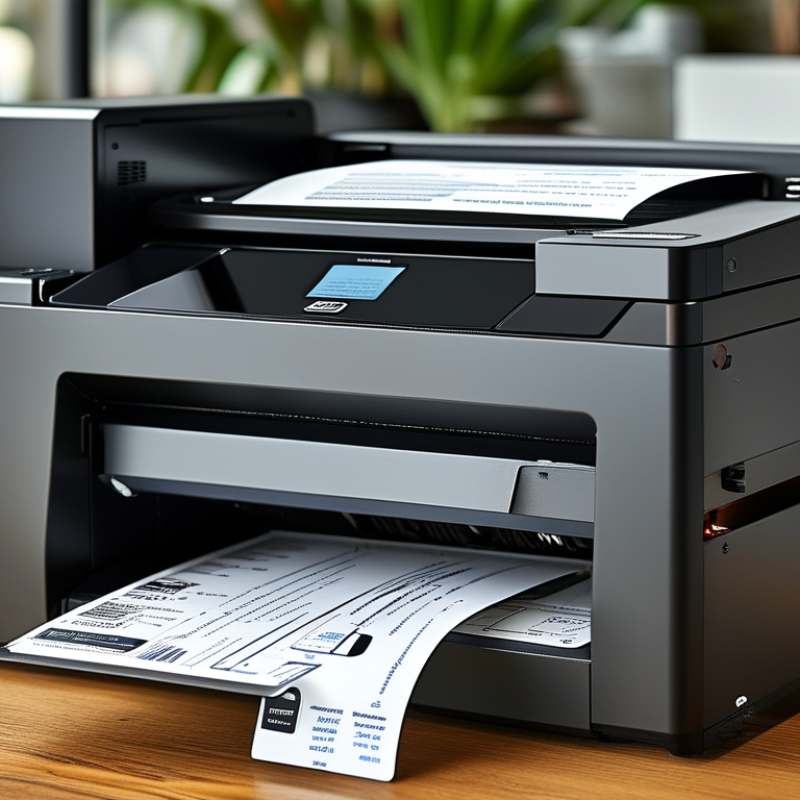
Choosing the right printer can be challenging. A Printer Direct Thermal is a popular option for labels, receipts, and tags. When selecting one for your specific needs, consider various key factors.
First, think about print volume. Higher volumes require more durable models. Second, evaluate connectivity options. USB, Bluetooth, and Wi-Fi can enhance usability. The right interface can vastly improve workflow efficiency. You must also assess print quality. A crisp output is vital for maintaining professionalism.
As you weigh your options, reflect on your unique requirements. Not every printer will meet your expectations. Some may fall short on speed or compatibility. Understanding these nuances helps ensure you select a model that truly fits your requirements and budget. A well-informed decision can enhance productivity in your operations.
Understanding Direct Thermal Printing Technology
Direct thermal printing relies on a simple yet effective technology. This process uses heat-sensitive media, which turns black when heated. A thermal print head applies heat in specific patterns to create images and text. This method is common in shipping labels, receipts, and barcode printing. It is valued for its speed and efficiency in various applications.
One limitation of direct thermal printing is its durability. The printed output can fade over time when exposed to heat, light, or moisture. This can be problematic for long-term storage solutions. Many users overlook this factor, leading to frustration. A careful evaluation of the printing environment is essential.
Another aspect to consider is the media type. Direct thermal printers work best with specific labels and paper designed for heat sensitivity. Choosing the wrong media can affect print quality. Sometimes, this choice doesn’t yield expected results. Users should test different options to find the most suitable one for their needs. Exploring these details can enhance overall satisfaction with direct thermal printing.
Evaluating Printer Specifications and Features
When selecting a direct thermal printer, understanding its specifications and features is crucial. Look for printing speed, resolution, and durability. A fast printer can significantly enhance your workflow. However, consider if speed is the only requirement. Sometimes, a slower printer with higher resolution may better suit your needs for detail-oriented applications.
Connectivity options are also important. Many printers now support USB, Ethernet, and wireless connections. Choose a model that aligns with your existing systems. However, having multiple connectivity options can lead to confusion. Reflect on your team's technical skills and the potential need for training.
Be sure to evaluate the size and weight of the printer. Some models are compact and portable, ideal for mobile use. On the other hand, larger printers might offer more features. Think about where the printer will be used and how often it needs to be moved. A bulky printer in a small workspace can be a headache. Keeping these aspects in mind can lead to better long-term satisfaction with your choice.
Identifying Your Printing Volume and Speed Requirements
When selecting a direct thermal printer, understanding your printing volume and speed requirements is crucial. If your business runs high-volume operations, a printer capable of handling extensive jobs daily is necessary. Look for devices with high throughput ratings, as they can produce multiple labels continuously without breakdowns. Additionally, a printer that supports fast printing speeds can significantly enhance your workflow, keeping up with your business pace.
It's essential to analyze your typical print job size and frequency. Do you need to print hundreds of labels daily or just a few? If your needs fluctuate, consider a versatile printer that can adapt to different volumes. However, be cautious; investing in elaborate equipment for sporadic use might not be economical. Furthermore, reflect on how speed impacts your operations. Sometimes, faster isn't better. If quality suffers at higher speeds, you may need to adjust your priorities to find a balance between speed and quality, ensuring your labels are both efficient and clear.
Direct Thermal Printer: Volume and Speed Requirements
Considering Connectivity Options and Compatibility
When selecting a direct thermal printer, connectivity options are crucial. Modern printers often support USB, Ethernet, and wireless connections. According to a recent industry report, 80% of businesses prioritize wireless capability for ease of use. This feature allows for greater flexibility in different work environments. However, users should consider Wi-Fi stability. Unstable connections can disrupt printing processes, leading to frustration.
Compatibility with existing systems is equally important. Many printers do not integrate seamlessly with certain software applications or operating systems. A study determined that 65% of businesses faced compatibility issues within the first year of use. It's vital to verify that the printer can work with your current technology stack. This verification helps prevent unexpected costs from purchasing additional software or hardware.
Users should also think ahead about future needs. Technology evolves rapidly, and a printer that meets current demands may soon become obsolete. Future-proofing your purchase can save time and resources. Ultimately, weighing connectivity options and system compatibility is essential for selecting the right direct thermal printer. Balancing these factors will enhance workflow efficiency and reduce disruptions in daily operations.
Assessing Cost, Maintenance, and Support Services
When evaluating direct thermal printers, cost is a critical factor. The price of printers varies significantly. Basic models can start at around $100, while advanced versions may exceed $1,000. Organizations must consider initial investment and long-term operational costs. A report by MarketsandMarkets forecasts the global printer market to grow to $12 billion by 2025, emphasizing the importance of wise financial decisions in selecting a printer suitable for business needs.
Maintenance is another key aspect. Direct thermal printers often have lower maintenance costs compared to thermal transfer printers. However, they still require regular upkeep. For instance, print head replacements can become costly over time. A survey revealed that 27% of businesses underestimate maintenance expenses. This can lead to financial strain, especially for small firms. Moreover, having access to reliable support services is vital. Efficient support can decrease downtime and boost productivity, which is crucial in high-demand environments.
Understanding these factors helps organizations to select the right equipment. Balancing cost, maintenance, and support services can significantly affect printer performance and overall satisfaction. Decision-makers should ensure they account for all variables, rather than just the initial price tag. These insights can steer organizations toward printers that best meet their requirements.