How to Use Thermal Sticker Roll for Efficient Labeling and Organization?
In the fast-paced world of organization and labeling, the "Thermal Sticker Roll" has emerged as a game changer. John Smith, a renowned expert in labeling technology, once stated, “Thermal Sticker Rolls streamline tasks, making them simpler and more efficient.” His insights highlight the growing importance of these tools in various industries.
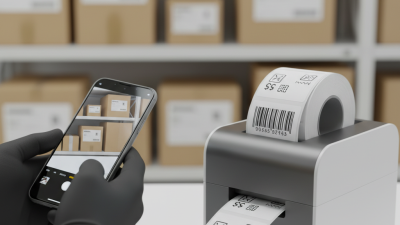
Utilizing Thermal Sticker Rolls can significantly enhance productivity. They offer a quick and precise method of labeling, reducing time spent on manual tasks. These rolls are easy to use and compatible with a range of printers, making them accessible to everyone. Imagine labeling shelves in a warehouse or organizing products in a retail environment with minimal effort.
However, achieving efficiency with Thermal Sticker Rolls requires some practice. Users may struggle with printer settings or alignment at first. It's essential to invest time in understanding your printer’s compatibility with these rolls. As with any tool, mastery comes with experience and reflection on what works best for your specific needs. Give yourself room to learn and adjust for optimal results.
Understanding Thermal Sticker Roll and Its Advantages
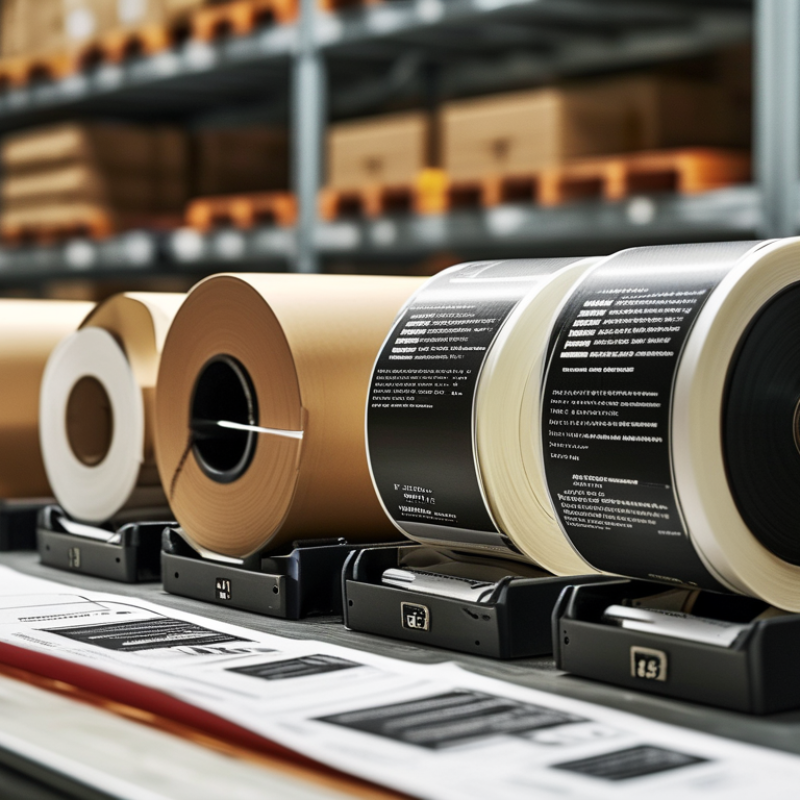
Thermal sticker rolls are revolutionizing the way businesses handle labeling and organization. These adhesive labels are printed using heat instead of ink, which makes them cost-effective and efficient. According to industry reports, companies can save up to 50% on printing costs by switching to thermal labels compared to traditional methods. This cost-efficiency allows businesses of all sizes to streamline their processes.
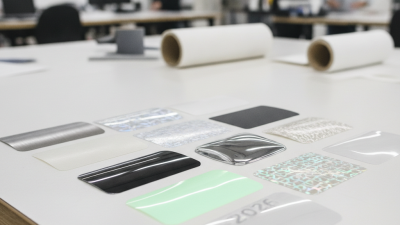
One of the key advantages of thermal sticker rolls is their versatility. They can be used for a variety of applications, including shipping labels, barcodes, and product tags. The labels are available in different sizes and finishes, making it easier for businesses to find the right fit for their needs. While many users appreciate the simplicity of thermal printing, they sometimes overlook the importance of proper storage. Exposure to heat or moisture can affect label quality.
Tips: Always store thermal stickers in a cool, dry place. This will maintain their stickiness and print quality for longer periods. Regularly check your printer settings to ensure optimal printing results and avoid wastage.
Opting for thermal sticker rolls also enhances organization and inventory management. About 70% of businesses reported improved efficiency in tracking products and managing stock levels after implementing thermal label systems. However, integrating these systems can be a challenge. Staff training is crucial to avoid errors and ensure that everyone is on the same page.
Choosing the Right Thermal Printer for Your Labeling Needs
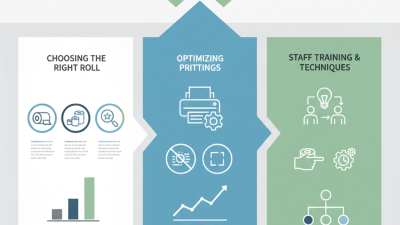
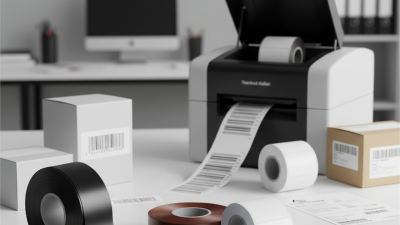
Choosing the right thermal printer is crucial for effective labeling and organization. A suitable printer can streamline your workflow, improve efficiency, and enhance your overall labeling experience. Look for printers that accommodate various label sizes. Compatibility with your thermal sticker roll is key. Ensure it supports the specific dimensions you need for your projects.
When selecting a thermal printer, consider its printing speed. A faster printer saves you time, especially during peak periods. Also, examine the printer's resolution. A higher resolution produces clearer labels, making them more legible. Users often overlook this factor, but it significantly impacts the usability of your labels.
**Tip:** Read reviews and seek recommendations from users in your field. This can offer insights into reliability and functionality that specifications alone may not provide. **Tip:** Test the printer before committing. Many suppliers offer demos or return policies, allowing you to assess its performance firsthand. Remember that even reputable models can have quirks, and they might not meet every expectation you have.
With the right thermal printer, your label-making process can become much more organized and efficient. However, reflect on your unique needs and preferences. What works for one user might not work for another. This thought process is vital for making a well-informed decision.
Step-by-Step Guide to Printing Thermal Stickers
Printing thermal stickers for labeling is straightforward. Start by choosing the right thermal sticker roll for your printer. Ensure compatibility to avoid misprints. Check your printer settings. Adjust them to the correct label dimensions. This step prevents wasted labels and frustration.
Next, design your labels. Use simple software that allows customization. Make sure the text is clear and readable. Consider using bold fonts for better visibility. Once ready, load the thermal sticker roll into the printer. Pay attention to the roll's orientation. Incorrect loading can lead to printing errors.
After printing, test a few labels. Ensure they stick well to surfaces. If some labels peel off easily, rethink the adhesive qualities. This helps in avoiding common pitfalls. Organizing your stickers is key. Store them in a manner that prevents damage and keeps them accessible. Regularly evaluate your printing process for improvements. Adjust settings or materials as needed.
How to Use Thermal Sticker Roll for Efficient Labeling and Organization? - Step-by-Step Guide to Printing Thermal Stickers
| Step Number |
Task |
Tools Needed |
Estimated Time |
| 1 |
Design Your Labels |
Label Design Software |
30 minutes |
| 2 |
Select Thermal Sticker Roll |
Thermal Sticker Roll |
5 minutes |
| 3 |
Load the Thermal Roll into Printer |
Thermal Printer |
10 minutes |
| 4 |
Print Sample Labels |
Computer, Thermal Printer |
15 minutes |
| 5 |
Evaluate Print Quality |
Printed Samples |
10 minutes |
| 6 |
Print Final Labels |
Thermal Printer, Labels |
20 minutes |
| 7 |
Organize & Apply Labels |
Clear Surfaces to Label |
Variable |
Organizing and Storing Your Labels Efficiently
Organizing labels efficiently can greatly enhance your workspace. Start by categorizing your labels based on their purpose. Use clear containers to store them neatly. Label each container clearly, or even color-code them for quick identification. This visual system allows for a seamless workflow when you need a specific label.
When using thermal sticker rolls, it’s crucial to keep them accessible. Consider placing a roll holder on your desk. This simple change can reduce clutter and streamline your labeling process. Regularly review your labels too. Some might become obsolete over time. Reflect on your labeling needs to ensure your system stays relevant.
Store labels in a cool, dry place to maintain their adhesive quality. If you notice any roll starts to lose stickiness, it’s time to replace it. Learning from these small setbacks can help improve your overall organization strategy. Balancing neatness and functionality is key to an effective labeling system.
Tips for Maximizing the Use of Thermal Sticker Rolls
Using thermal sticker rolls can significantly enhance your labeling and organization tasks. To get the most out of these rolls, consider the following tips. Ensure your printer settings are correctly aligned with the size of the labels. A mismatch can lead to
wasted labels and frustration. Always check the print quality before starting a large batch. Glaring smudges can render labels unreadable.
Another useful tip is to organize your workflows around labeling efficiency. Keep your thermal sticker rolls in a designated spot. This will minimize the time spent searching for supplies. Use durable storage solutions to prevent damage. You might find that labels stick better when applied to clean, dry surfaces.
Take time to find the right application method for your specific context.
Lastly, don't overlook the importance of maintaining your labeling equipment. Regular maintenance can prevent breakdowns that disrupt productivity. However, it's essential to acknowledge that mistakes will happen.
Misprints and misalignments are common. When they occur, analyze the cause to avoid repeating the error. Embrace these learning moments to improve your process overall.