How to Create Eye Catching Inkjet Print Stickers?
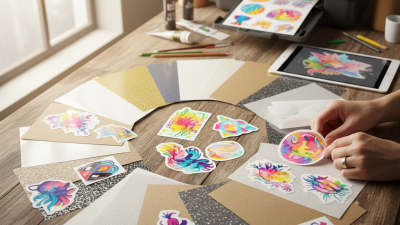
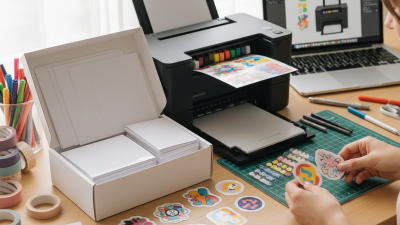
Creating eye-catching Inkjet Print Stickers can be a rewarding pursuit. Renowned sticker designer Sarah Martinez once said, "The best stickers tell a story." This reflects the essence of what captivates an audience. Stickers are not merely images; they are expressions that resonate with people.
To achieve stunning results, understanding materials and equipment is essential. High-quality inkjet printers deliver vibrant colors and intricate details. Choosing the right sticker paper is equally important. Matte, glossy, or clear finishes can alter a sticker's impact. Be mindful of your design choices. Simplicity often beats complexity in visual appeal.
Mistakes can happen, even for experts. A flawed print may serve as a valuable lesson. Experimentation is key in finding what works best for your style. Engaging with other designers can also foster growth and innovation. Remember, the world of Inkjet Print Stickers is ever-evolving. It's essential to stay curious and open to feedback.
Choosing the Right Materials for Inkjet Print Stickers
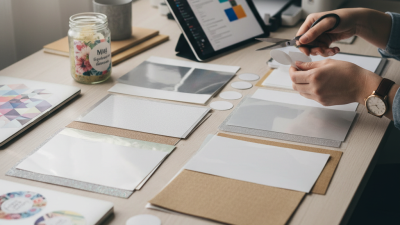
Choosing the right materials for inkjet print stickers is crucial for achieving vibrant and durable results. The paper type you select can drastically affect the final product. Glossy paper often yields brighter colors and sharp details, making images pop. However, it may not be as smudge-proof as matte options, which can provide a refined look.
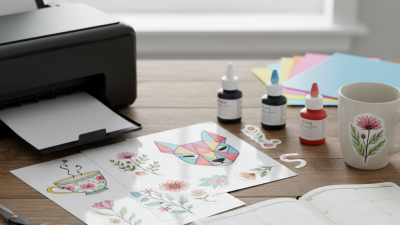
Inks are another critical aspect. Using high-quality, compatible ink ensures better adherence and longevity. Keep in mind that not all inks react well with every paper type. Testing different combinations can be time-consuming, but it is essential for perfecting your stickers.
Adhesives also play a role. Some materials have stronger bonding properties, while others peel away easily. Think about the surface where stickers will be applied. Outdoor use demands weather-resistant options, while indoor applications may not need such robustness. Don't overlook the importance of each component; minor adjustments can lead to significant improvements. Each sticker project deserves careful consideration to stand out.
Designing Eye-Catching Graphics for Your Stickers
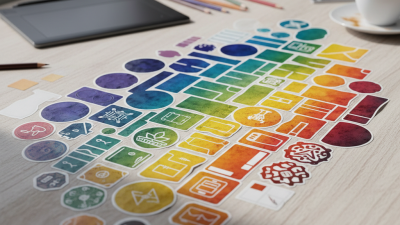
Creating eye-catching stickers begins with strong graphics. Visual appeal captures attention instantly. Use bold colors and striking images. Consider your audience's preferences. Vibrant hues can evoke emotions, while muted tones provide sophistication. Balance is key in your design choices.
Incorporate unique elements into your graphics. Hand-drawn illustrations or custom patterns can make your stickers memorable. Try varying shapes and sizes; not all stickers need to be rectangular. Experimenting can lead to unexpected successes. However, don’t overlook the importance of readability. Text should be clear and legible, even from a distance.
Feedback is invaluable in the design process. Share your drafts with friends or peers. Their insights might highlight aspects you’ve missed. Embrace constructive criticism, and adjust your designs accordingly. Remember, not every idea will resonate the first time. Take the time to refine and rework your graphics until they shine.
Preparing Your Inkjet Printer for High-Quality Printing
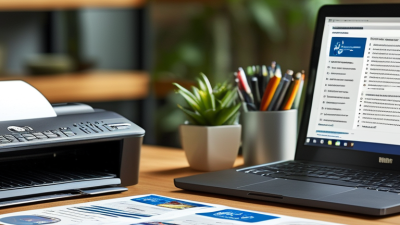
Preparing your inkjet printer for high-quality printing is essential for creating eye-catching stickers. Start by ensuring your printer is clean. Dust and debris can lead to poor print quality. Regular maintenance significantly improves output. According to a report from the Imaging Supplies Coalition, proper maintenance can enhance print performance by up to 30%.
Next, choose the right paper. Sticker paper varies widely in texture and finish. Glossy paper often produces more vibrant colors, while matte paper offers a softer look. The choice can affect the visual impact. Industry studies suggest that color saturation can be improved by over 20% on glossy surfaces. Experiment with different types to see which one works best for your designs.
Lastly, calibrate your printer settings. Ensure that the print quality is set to high and that color management is configured correctly. Inconsistent settings may result in inaccurate color reproduction. Data from the Graphic Arts Show Corporation reveals that users who regularly calibrate their printers achieve a 15% better match to their design specifications. Regular testing and adjustments can help refine your printing process. Keeping a log of your settings may offer insights into what combinations yield the best results, despite occasional setbacks.
Cutting and Finishing Techniques for Professional-Looking Stickers
Creating professional-looking stickers requires attention to cutting and finishing techniques. One effective method is using a precision cutter or a cutting plotter. These tools allow for intricate designs to be cut accurately. It’s essential to set the right blade depth and speed for the material you're using. Testing on scrap material can help you avoid costly mistakes.
When it comes to finishing, consider the type of laminate you choose. A glossy finish can enhance colors, while a matte finish offers a more subdued look. Don’t forget about the edges; they can often be rough. Trimming the stickers with a fine blade ensures clean edges and a polished appearance. It’s crucial to remember that even small imperfections can disrupt the overall look of your stickers.
Finally, applying a suitable adhesive is vital. It must be strong enough to withstand handling but not so aggressive that it damages surfaces. Some materials may require a trial-and-error approach to find the right adhesive. Reflecting on the entire process, always look for ways to improve your technique. Each step offers a learning opportunity that can elevate the quality of your stickers in future projects.
Application and Care Instructions for Lasting Stickers
Creating eye-catching inkjet print stickers is not just about the design. Proper application and care extend the life of these stickers. According to industry reports, 80% of users prefer stickers that last longer and resist fading. Effective care can amplify the visual appeal while preserving the integrity of the stickers.
When applying your stickers, choose a clean, dry surface. This ensures better adhesion and a polished look. Consider the environment where the sticker will be placed. Moisture-rich areas can affect durability. Stickers applied outdoors require special attention; UV protection is critical. Remember, even high-quality ink can fade without proper care.
**Tips:**
- Avoid exposure to direct sunlight for prolonged periods.
- Clean the surfaces gently with a soft cloth before applying.
- If you're reusing stickers, ensure the back adhesive is intact for a secure fit.
Investing time in application and care can enhance the longevity of your stickers. Small mistakes can lead to peeling or discoloration. Reflect on your methods regularly. Experiment with different surfaces and placements to find what works best for your designs.