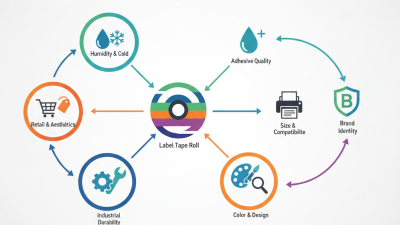
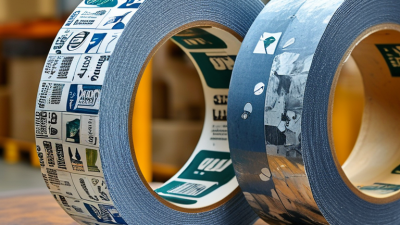
Top Label Tape Roll Trends for 2026 What Buyers Need to Know
In the ever-evolving world of packaging and labeling, label tape rolls have become an essential tool for various industries. Experts predict significant changes in this sector by 2026. James Albright, a leading consultant in the label manufacturing industry, recently stated, “Innovation in label tape roll designs will reshape how businesses approach branding.” His insights highlight the importance of staying ahead of the trends.
As we look toward 2026, buyers should be aware of emerging materials and technologies. Biodegradable options are gaining traction. Users are prioritizing eco-friendly choices that align with sustainability goals. Additionally, advancements in adhesive technologies are making labels more durable. This can enhance product lifespan and reduce waste.
Despite these advancements, some challenges remain. Not all manufacturers offer the same quality of label tape roll. Finding reliable suppliers can be daunting. Businesses need to consider their specific needs carefully. This journey demands ongoing reflection and adaptation to ensure the best choices.
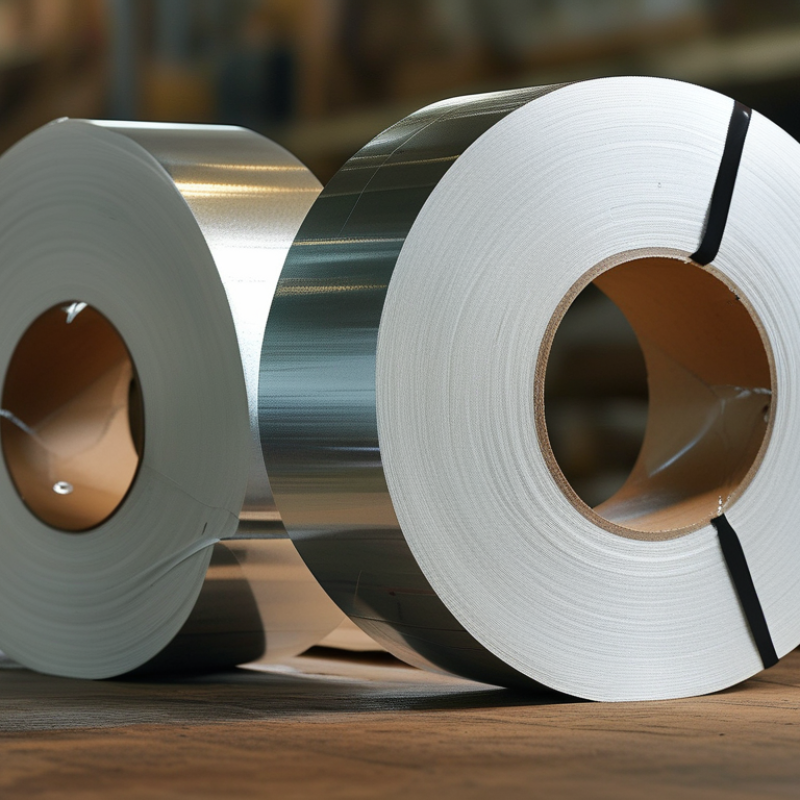
Emerging Materials: Sustainable Options in Label Tape Production
As sustainability becomes a priority, label tape production is evolving. Emerging materials are at the forefront of this shift. Options like recycled paper and biodegradable plastics are gaining traction. These materials reduce waste and environmental impact. They offer a promising alternative to traditional tapes, which often rely on petroleum-based products.
Buyers should consider these innovative materials carefully. They can provide durable functionality while minimizing ecological footprints. However, the availability and performance of these options are still variable. Some products may not yet meet all industry standards for strength or durability. This poses questions about their long-term reliability in demanding environments.
Choosing sustainable label tape requires research and testing. Investigating suppliers is essential. Understanding the source and production processes can guide smart purchasing decisions. There’s a balance between eco-friendliness and performance. As the market evolves, these dilemmas will need reflection and adjustment.
Innovative Adhesive Technologies: Enhancing Performance and Usability
Innovative adhesive technologies are reshaping the label tape market. These advancements focus on enhancing performance and usability. Companies are developing adhesives that stick stronger yet peel away cleanly. This balance becomes crucial for consumers seeking easy removal without residue.
Many users face challenges finding suitable tape for different surfaces. New formulations address this issue by adapting to various materials. For example, some tapes now bond well on textured surfaces, a point often overlooked in traditional products. However, not all tapes perform as expected. Users should test new options before committing to bulk purchases.
Sustainability is also a pressing concern. Innovative adhesives aim to reduce environmental impact. Biodegradable materials are entering the market but may not yet meet all user needs. Buyers must weigh these eco-friendly options against performance. The growth in adhesive technology signals a shift that merits attention from all consumers in 2026.
Top Label Tape Roll Trends for 2026
Design Trends: Personalized and Customizable Label Tape Solutions
As we approach 2026, the label tape market is evolving. Personalized and customizable solutions are at the forefront of this trend. Consumers are looking for ways to make their items unique. Custom labels can serve numerous purposes, from branding to personal expression. The connection between creativity and function has never been stronger.
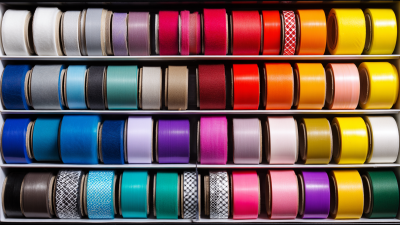
One significant aspect is the design flexibility. Buyers want to create labels that reflect their style. Various color combinations, fonts, and images can enhance visual appeal. This customization empowers users to tailor their labels according to their needs. Additionally, the rise of eco-friendly materials is a notable trend. Customers are increasingly interested in sustainable options. This makes it essential for suppliers to adapt quickly.
Tips: When creating your personalized label, consider your target audience. Understand their preferences. Balance aesthetics with functionality. Sometimes, less is more. Keep designs simple yet impactful. Experiment with different layouts. Reflect on what resonates with your brand identity. This could lead to a stronger connection with your customers.
Market Insights: Predictions and Consumer Preferences for 2026
As we look ahead to 2026, understanding market insights is crucial for buyers in the label tape roll industry. Consumer preferences are rapidly changing. Eco-friendly materials are gaining popularity. Shoppers increasingly favor products that are sustainable and reusable. This shift emphasizes the need for companies to adapt swiftly.
Tips: Focus on sourcing biodegradable options. Research brands committed to sustainability. Consumers often choose products that align with their values. Consider how packaging impacts buyer decisions.
Another key trend is customization. More consumers desire personalized labels. This can include unique colors or designs tailored to their needs. Businesses should prepare to offer diverse options. Flexibility in manufacturing can set a brand apart in a crowded market.
Tips: Invest in technology for quick design changes. Encourage customer feedback on labeling preferences. Understanding what buyers want can drive success. Always be ready to evolve as tastes shift.
Top Label Tape Roll Trends for 2026: Market Insights and Consumer Preferences
| Trend |
Description |
Expected Popularity (%) |
Consumer Segment |
| Eco-Friendly Materials |
Increase in demand for biodegradable and recyclable tape options. |
75% |
Environmentally Conscious Consumers |
| Smart Labeling |
Integration of QR codes and NFC technology for enhanced interaction. |
65% |
Tech-Savvy Consumers |
| Customizable Designs |
Personalized tape options that allow for branding and unique designs. |
70% |
Small Businesses and Hobbyists |
| Water-Proof and Durable Options |
Increased need for tape that can withstand harsh conditions. |
60% |
Outdoor and Industrial Users |
| Rapid Delivery Services |
Growing preference for quick shipping options for supplies. |
80% |
E-Commerce Consumers |
Application Diversity: Expanding Uses for Label Tapes Across Industries
Label tape applications are becoming more varied across multiple industries. In recent reports, the label tape market is projected to grow at a CAGR of 5.6% through 2026. This growth is driven by technological advancements and the demand for customizable solutions. Adhesive label tapes now serve not just for shipping and packaging but also for healthcare, manufacturing, and retail sales.
In healthcare, label tapes have found significant use. They are essential for labeling medical supplies and equipment. Hospital workflows rely on clear, durable labels. A report indicates that improper labeling leads to inefficiencies and risks, highlighting the need for reliable tape solutions. In manufacturing, label tapes assist in inventory management and quality control. Using vibrant colors helps workers identify materials easily, reducing errors.
Tip: Always choose label tapes that adhere to various surfaces. This ensures versatility in your applications. Consider the environment where the tape will be used. For instance, specific tapes withstand moisture better, making them ideal for industrial settings.
As industries evolve, so do the needs for label tapes. Retail environments require eye-catching label designs that are easy to print and apply. Despite these advancements, it's crucial to remain aware of the potential for mislabeling, which can cause confusion. Buyers must prioritize quality and functionality to mitigate such risks while expanding their label tape applications.